Estimated Read Time:
8–10 minutes
Key Questions Answered:
-
What are the different types of crutches?
-
How do underarm and forearm crutches differ?
-
Which crutches are best for specific conditions (e.g., arthritis, post-surgery)?
-
When should someone use crutches?
-
What crutches are available for heavier users or frequent travelers?
Brief Summary:
This article serves as a practical guide for anyone needing crutches due to injury, surgery, or chronic conditions. It outlines the pros and cons of underarm vs. forearm crutches, explains when and how crutches should be used, and highlights important factors like comfort, adjustability, and weight support. Special recommendations are made for users with arthritis, higher body weight, or those who travel frequently. It ends with a product roundup featuring models like the New Walk Crutches with Shock Absorbers, BIG 250 Heavy Duty Crutches, and Rebotec Folding Crutches, and answers FAQs related to injury-specific needs.
Best Crutches for 2025 | How to Choose and Use Crutches for Your Needs
Whether you need a walking support for moving around or you've had an injury to your knee or recovering from a hip replacement, a pair of crutches can come in handy.
This guide will help you know about the types of crutches that are available and assist you in making the best choice that suits your needs. Hopefully this article can ultimately help you make a good decision.
Once you have made the decision you can do with some assistance, you now have to make the decision of what kind of crutches, depending on your situation. Yet it is not always easy to choose the right crutches for you. Especially because different crutches work better for different users.
How to Choose the Right Crutch?
Crutches are designed to provide balance and stability by reducing the amount of pressure on the legs of the user. Crutches transfer weight from your lower body to your upper body.
Crutches are very useful mobility aids for lower limb injuries that require non-weight bearing or for people with mobility loss. Whether it is a short-term impairment after a sprained ankle or a lifetime disability. If you reduce the amount of weight placed on your affected leg, injuries can heal quicker.
At the same time, crutches will help you keep mobile. Crutches provide a sense of independence to a person with disability. People with a permanent disability use crutches to help them stand upright which also enhances the blood circulation of the user.
To be able to use crutches, you need to have strength in your upper body, be able to maintain balance and have sufficient coordination to use these mobility devices safely.
Injuries like sprains, strains, fracture or surgery require keeping weight off the feet and that is when patients should use crutches.
Crutches come in all kinds of sizes, designs and price categories. Various types of crutches can also be more suitable in different situations. Not only if you are a bit older and less mobile, but also if you have had an injury.
In your search for the best set of crutches, you will notice there are many possibilities. Your doctor will advise you which type of crutches will suit your needs.
Make sure to buy high-quality and stable crutches from top manufacturers like the German Rebotec. They have earned a reputation for engineering great mobility devices.
Arthritis crutches
Crutches can put a lot of strain on your hands and wrists. This can make it painful for arthritis sufferers. A number of manufacturers have designed a range of crutches and mobility aids that help reduce stress on wrists and hands, making them more convenient for arthritis joints.
Depending on the level of support you need, you may require one or two crutches. In some cases, a walking stick can be more useful. For less severe arthritis, a crutch that features a contoured or soft handle may be a solution to reduce the pain. If you have a more severe form of arthritis, you should look at a crutch that offloads the stress and pressure onto your forearms, like our New Walk crutches with shock absorbers.
What is the difference between Underarm and Forearm Crutches?
You will be truly amazed at the options out there for a pair of sturdy crutches.
Whether you need some extra support after a broken ankle or a knee surgery, crutches can come in handy in many situations. Make sure to choose the right type. Check the various categories, the ease of use and any additional features.
Crutches are made up of sturdy materials like aluminium to support your weight. Since not every user has the same weight or the same height, it is useful to know that there are many different sizes in crutches.
You could opt for a set of crutches whose height can be adjusted with just the push of a button to the best possible position for you. People with a slightly heavier weight can choose crutches with a higher load capacity. If you're looking for a set of sturdy crutches, pay attention to comfort and a non-slip tip.
Adjustable crutches can be convenient, just like crutches with a non-slip handle or a soft grip. This not only offers more comfort, but also more safety and stability.
What is Underarm Crutches?
Underarm or Axillary crutches: underarm crutches are the traditional crutches. They can be made from wood or aluminium and placed below the armpit to support the body weight. To distribute the weight, a hand grip is also provided, parallel to the arm pad.
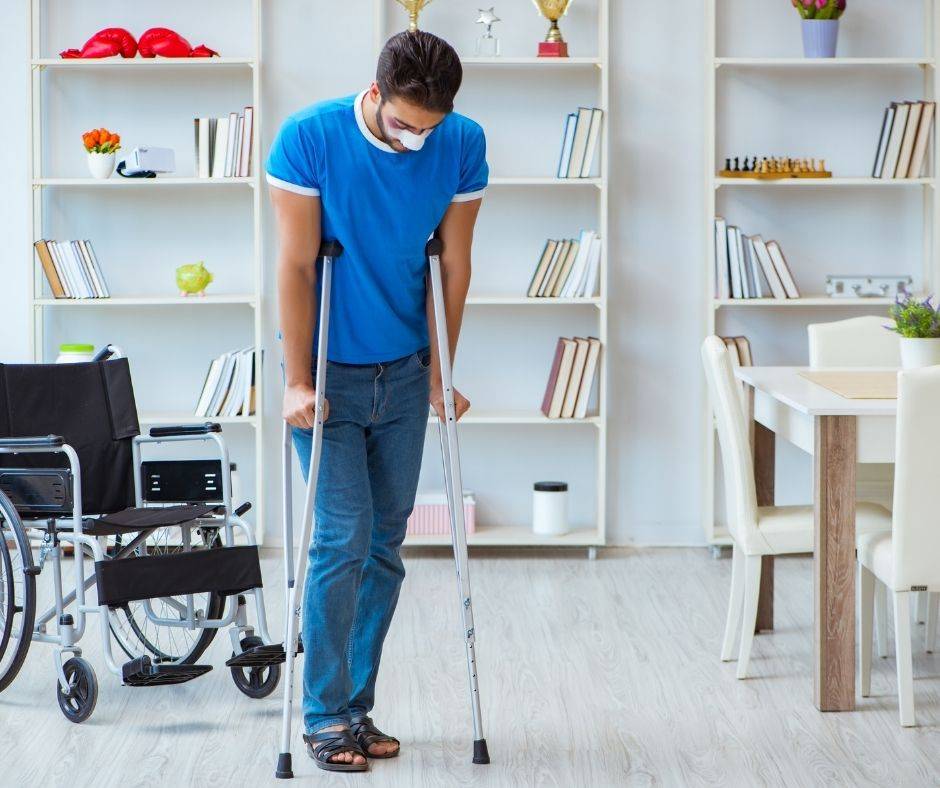
Underarm crutches are suitable for people with temporary mobility impairment. The armpit pad of the crutch must be soft enough to reduce pressure on the sensitive armpit area otherwise it may lead to possible conditions like crutch paralysis or crutch palsy caused by nerve damage to the underarm area. Most people find underarm crutches the easiest to use, although Australians prefer forearm crutches.
Pros of underarm crutches
- Requires less upper body strength
- Easy to master, takes less coordination
- Readily available
Cons of underarm crutches
- Crutches haven't been improved much in 50 years
- Improper use can lead to axillary nerve dysfunction
- Can be painful and can cause sore underarms, wrists, and hands
- Crutches are heavier and bulkier
- Difficult to set aside or store
What is Forearm Crutches?
forearm crutches – also known as elbow crutches - consist of a cuff that supports the forearm and a handle to be held in the wrist. Insert your hand into the cuff and hold the handle. These cuffs come in a variety of shapes to hold the arms securely.
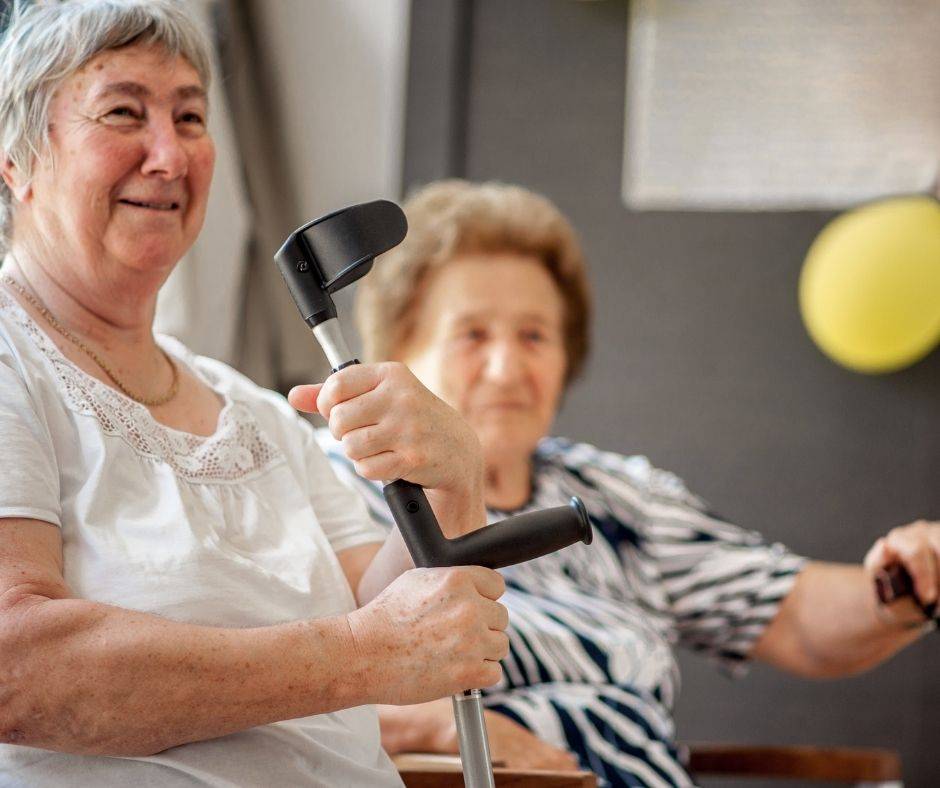
Forearm crutches are suitable for long term use or active users and are safer than underarm crutches. In most cases, people find this type of crutches more comfortable to use. In Australia, the forearm crutch definitely prevails. Lately manufacturers have been working on getting lighter materials and better components to make crutches more stable, comfortable and dynamic.
Pros of Forerarm crutches
- Easier to use on uneven terrain and stairs
- Encourages proper posture
- Typically, more comfortable during use
Cons of Forerarm crutches
- Require more training, could be more difficult to master
- Require more upper body strength
Both types of crutches can have their drawbacks, as you can’t use your arms to carry things while you’re walking. If crutches don’t sound like the right fit, maybe a rollator or a wheelchair would be a better option for you.
When Should you use Crutches?
Your healthcare professional will advise you when it is suitable to use crutches. Most people use non-weight bearing crutches when they need to limit the weight on their injured leg, so the injury can heal faster and they get back to full mobility.
There are many injuries that require crutches including:
- Stress fractures
- ACL injuries
- Achilles tendon ruptures
- Sprained or broken ankle
- Foot fractures
- Muscle strains/sprains
- Knee injury
- Pulled muscles
- Hip dislocation
If you have broken your leg, most surgeons or physiotherapists will recommend a pair of solid crutches. Some crutches will feel more comfortable compared to others.
Discover Best Crutches
It all comes down to finding the best crutch for yourself. That is why we have put together our 6 best rated crutches for you.
If you are looking for cheaper priced crutches, we have the choice of three pairs:
· the Forearm crutches – pair, supporting 150 kg
· the Ergonomic handle elbow crutches with maximum weight of 150 kg
· the Forearm crutches by AMG, supporting 136kg
All three sets consist of 2 separate elbow crutches that are equipped with an ergonomic handle with a contoured grip for more comfort in the hand.
As the crutches are completely made of aluminium, you will notice that they feel very light, which provides you with more comfort. You can also customise the height according to your ideal position for a personal fit.
Travel Folding Crutches by Rebotec
If you travel a lot, the Travel Folding Crutches are ideal. These high-quality German collapsible crutches are ideal. The functional forearm crutches can be disassembled for easy transportation and storage. They are made of a sturdy aluminium making them lightweight yet sturdy.
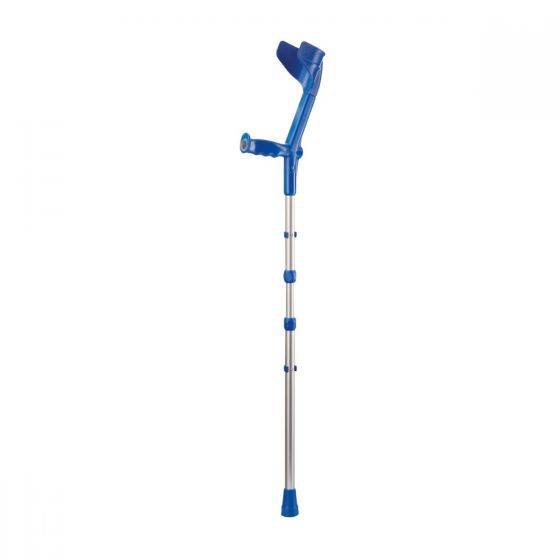
The adjustable design can be tailored to your height for a good fit. You can adjust both the height of the grip and the leg of the crutches. This is important because that way you can ensure good walking comfort. The handles are further ergonomically shaped. A nice feature is the safety reflector on the handle to help promote safety at night.
BIG 250 Heavy Duty Forearm Crutches – Rebotec
For users that have a heavier body weight, it is essential to use crutches that are designed to handle their weight. Rebotec is a German company that manufactures high-quality crutches. They have designed crutches with the larger user in mind: BIG 250 Heavy Duty Forearm Crutches. These walking aids are able to support 250kg.
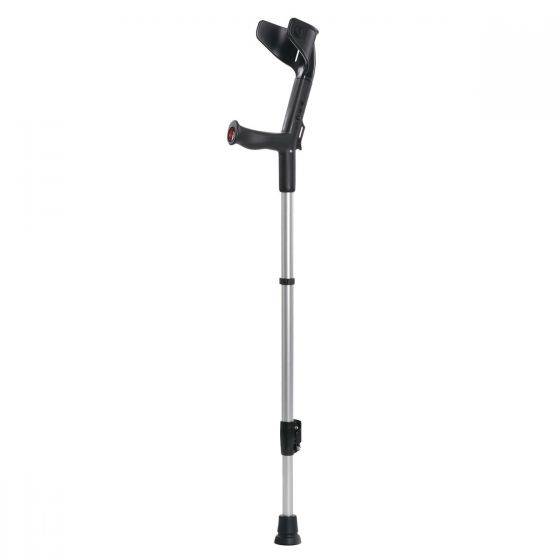
This walking aid is a user-friendly device with excellent quality.
New walk Crutches with Spring Shock absorbers - Rebotec
The New Walk Crutches with Shock Absorbers feature unique shock absorbing springs that minimises the impact on the body when the crutches touch the ground during walking. This eliminates fatigue and pain in your wrist, forearm, elbow and shoulder. The design reduces long term joint stress.
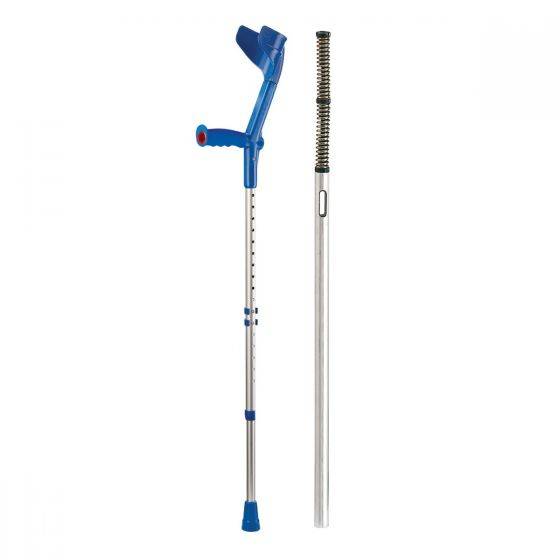
The New walk crutches are very suitable for people suffering from arthritis, tendinitis or other conditions in hands, wrists, elbows and shoulders. It can help users avoid Carpal Tunnel Syndrome or wrist tendon subluxation.
The height and arm length adjust to fit adults from 152cm to 195cm, up to 130kg.
Conclusion
Whether you're recovering from an injury or require support in your daily life, getting around without pain should always be a priority. Our crutches are an effective way to bring back mobility without putting pressure on the injured limb.
We're confident each of these crutches will make your mobility easier and more enjoyable. Before committing to a choice, think about which one will meet your needs. If you follow the right technique, these walking aids will improve your confidence in moving around again.
If you'd like to see all of the options we currently have available, feel free to browse through our mobility category.
Frequently Asked Questions
1. What are the best crutches for hip surgery?
Elbow Crutches with Spring Shock Absorbers are the best crutches for hip surgery. They offer unique shock-absorbing springs to minimize impact. They are suitable for arthritis or tendonitis.
2. Which crutch to use after hip replacement?
Use a single crutch on the side opposite to the operated leg. The BIG 250 Heavy Duty Forearm Crutches provide stability and durability post-surgery.
3. Which type of crutches is best?
The best crutches depend on factors like;
- Level of mobility
- Comfort
- The nature of your injury.
Forearm crutches offer better long-term use. Underarm crutches are easier for short-term use.
4. Which crutch type is more stable?
Forearm crutches provide better stability. It provides support especially on uneven terrain or stairs.
5. What are the 2 types of crutches?
The two main types are;
- Underarm (axillary) crutches
- Forearm (elbow) crutches
6. When can I use 1 crutch after hip replacement?
Healthcare professionals recommend starting with two crutches initially. Then transitioning to one crutch by 6 weeks post-operation. Your strength and mobility improve over time.
7. What are the Best crutches for a knee injury?
Look for adjustable crutches with ergonomic handles for comfort and stability. The detachable folding crutches provides leg support. It can take off weight from your knees post-operation.
8. Which crutches are most comfortable?
Crutches with the following features tend to be the most comfortable;
- Ergonomic handles
- Adjustable height
- Shock-absorbing
9. Which crutches are better for non-weight bearing?
Forearm crutches are the best for non-weight-bearing situations. They provide better support and stability.
10. List of best crutches for seniors in Australia.
Options that are suitable for seniors due to their ease of use and comfort are;
- Forearm crutches – pair
- Ergonomic handle elbow crutches
- Adjustable Forearm Crutches
- Detachable Crutches Closed Cuff
- Detachable Crutches Open Cuff
11. What are the best crutches for knee surgery?
Crutches with shock-absorbing features like the "Crutches with Spring Shock Absorbers" reduce strain on the knees during recovery.
12. What kind of crutches are used for broken ankles?
Both underarm and forearm crutches can be used for broken ankles. Forearm crutches may offer better long-term comfort and stability.
Enhance your understanding and find practical solutions with our other top-performing blogs: