



Osteoporosis Pain Relief Products & Supports
Pain relief gels, TENS units, heat packs, braces and supports to help manage comfort, stiffness and daily movement.
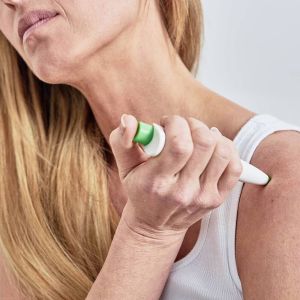
Pain Relief for Osteoporosis
Osteoporosis can make pain management more important, especially after fractures, back strain, joint discomfort or changes in posture and movement. The right support can help you feel more comfortable while you continue daily routines with care.
This category includes pain relief gel, TENS units, PainPod Heat, PainGone pens, hot & cold therapy, cervical collars, back braces, knee braces, wrist braces and support cushions. These Braces and Supports and Daily Living Aids may suit seniors, carers, NDIS participants and people managing discomfort linked to osteoporosis or fragile bones.
How to choose the right product
- If you need temporary relief for sore muscles or joints, look for a pain relief gel.
- If you want drug free stimulation support, look for a TENS unit or PainPod device.
- If warmth helps stiffness or muscle tension, look for PainPod Heat or a reusable heat pack.
- If swelling or acute soreness is present, look for a cold pack or ice bag, and follow clinical advice.
- If neck support is needed, look for a soft or semi rigid cervical collar.
- If lower back support is the priority, look for a lumbar brace or lumbar support cushion.
- If knee pain affects walking or standing, look for a knee brace suited to the level of support needed.
- If wrist discomfort affects daily tasks, look for a wrist brace that supports the joint without stopping necessary movement.
Pain relief gels
Pain relief gels are applied directly to sore areas. They can be useful for short term comfort when muscles or joints feel painful, stiff or overworked.
TENS units and PainPod devices
TENS units use gentle electrical stimulation through pads placed on the skin. They may help with temporary pain relief when used correctly and according to product instructions.
Heat therapy products
Heat therapy can support comfort when muscles feel tight, stiff or tense. PainPod Heat and hot packs may suit people who prefer warmth as part of their daily pain management routine.
Cold therapy products
Cold packs and ice bags are often used for short term cooling support. They may be useful after minor strains, swelling or flare ups, depending on the advice from your healthcare professional.
Cervical collars
Soft and semi rigid cervical collars support the neck when extra stability or rest is needed. They should be chosen carefully, especially if pain follows injury, fracture or sudden changes in movement.
Back braces and lumbar supports
Back braces and lumbar cushions can support posture, reduce strain and make sitting or moving feel more comfortable. They may be helpful when osteoporosis affects the spine, lower back or daily mobility.
Knee braces
Knee braces provide support during standing, walking and everyday movement. Hinged and non hinged options suit different support needs, depending on joint stability, comfort and activity level.
Wrist braces
Wrist braces support the wrist during daily tasks. They can help when pain, weakness or strain affects grip, lifting or hand use.
Who can benefit from this category?
Pain relief aids and supports may help people with osteoporosis, back discomfort, neck strain, joint pain, stiffness, posture changes or discomfort after a fracture. They can also support people who need extra confidence during gentle movement, rest or daily activities.
They may also help carers and family members support comfort routines at home. Pain that is new, severe, worsening or linked to a fall should always be checked by a healthcare professional.
NDIS and pain relief for Osteoporosis
Pain relief aids, braces and support products may relate to daily living, comfort, mobility, therapy goals and independent living when they support disability related needs. Some products may be considered NDIS Consumables or Assistive Technology when they are reasonable and necessary for your plan.
BetterCareMarket is a Registered NDIS Provider. Funding is not automatic, so check with your plan manager, support coordinator, occupational therapist, physiotherapist or doctor if you are unsure which products suit your plan and condition.
Takeaway
The right pain relief aid can support comfort, movement and daily routines while helping you manage osteoporosis with more confidence.