




Respiratory Care Products for Easier Breathing
Find nebulisers, spacers, peak flow meters and respiratory essentials for treatment, monitoring and everyday breathing care.


Respiratory Care Products & Breathing Aids Australia
Asthma, COPD, bronchitis and other respiratory conditions can affect breathing, energy levels and daily routines. The right equipment helps you follow your treatment plan, monitor changes and manage respiratory care at home.
Our Respiratory Care category is organised into four practical product groups: nebuliser machines and accessories, peak flow meters, spacers and respiratory essentials. Browse by the type of treatment, monitoring or breathing support you need.
How to choose the right respiratory care product
Start with the purpose of the product and the advice in your treatment plan.
- If you have been prescribed medication in liquid form for inhalation, explore Nebuliser Machines and Accessories.
- If your asthma action plan includes regular lung function readings, choose a Peak Flow Meter.
- If you use a metered dose inhaler and need better coordination or medication delivery, browse Spacers.
- If you need airway clearance, breathing exercises, replacement parts or supporting respiratory products, visit Respiratory Essentials.
Check that the product suits the user’s age, medication, device and treatment instructions. Ask your pharmacist, GP or respiratory specialist to demonstrate the correct technique when using new equipment.
Nebuliser machines and accessories
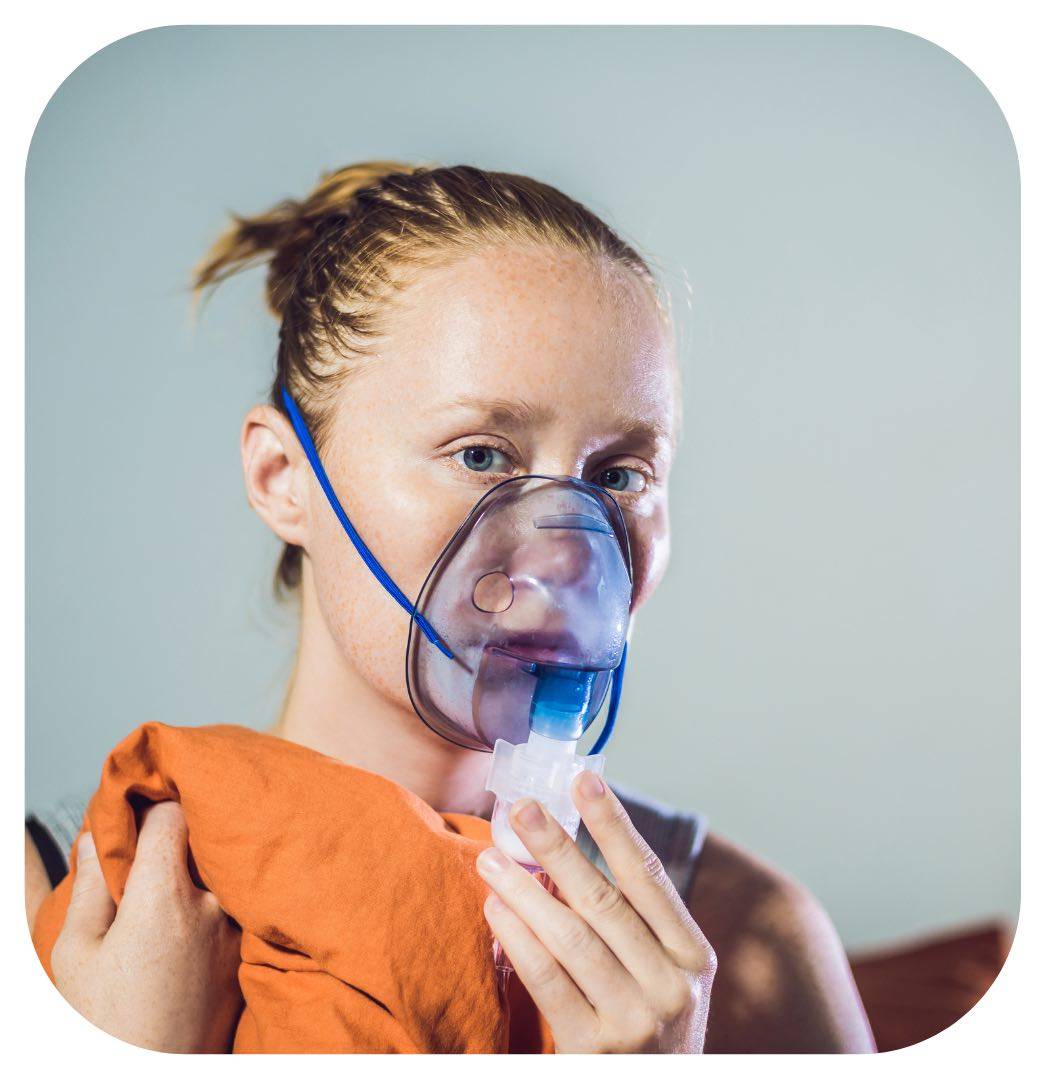
A nebuliser turns prescribed liquid medication into a fine mist that you inhale through a mouthpiece or mask. Nebulisers are commonly used when a person has difficulty using an inhaler or has been prescribed nebulised treatment.
This section also includes replacement masks, mouthpieces, tubing, filters and medicine cups. Always confirm that accessories fit your nebuliser model before ordering.
Peak flow meters
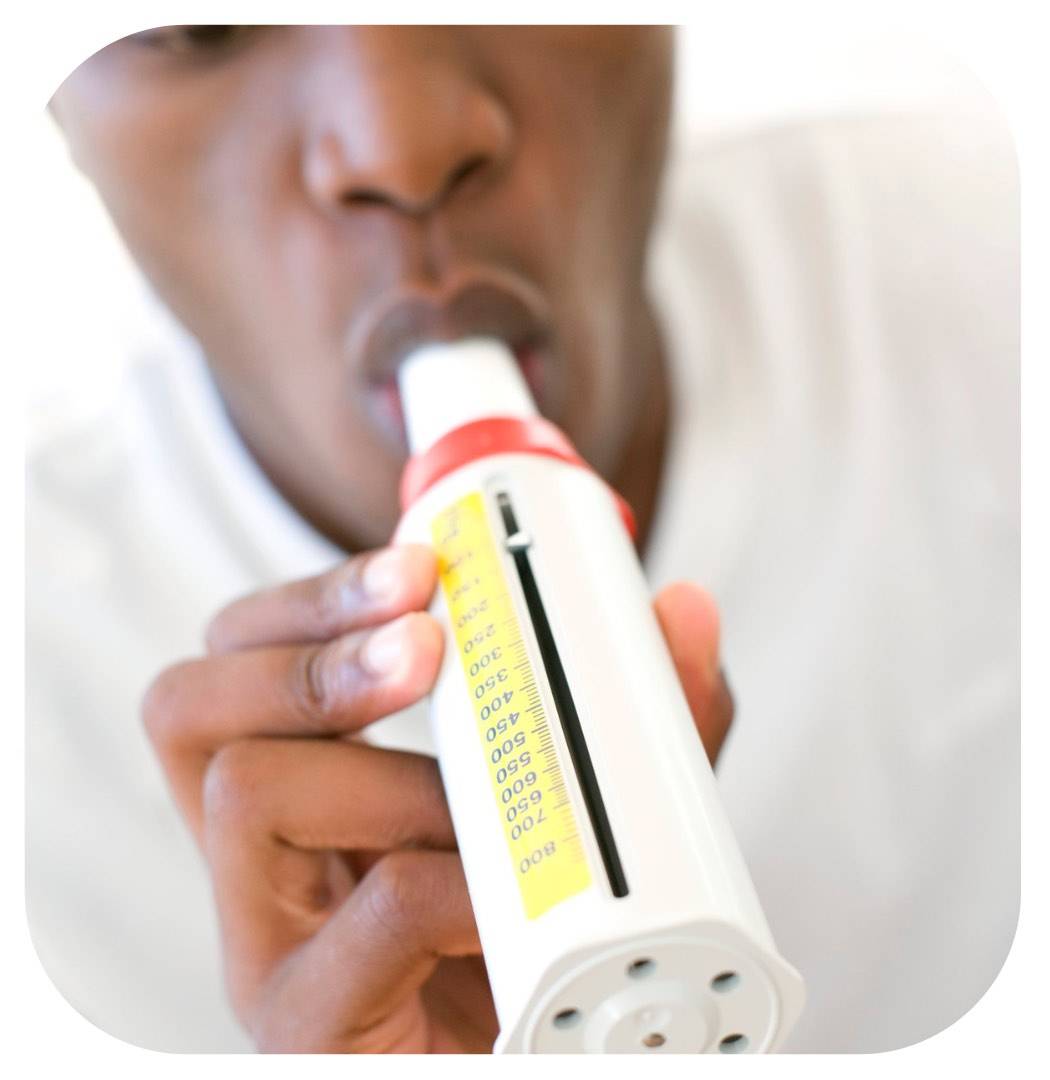
A peak flow meter measures how quickly air moves out of your lungs. Regular readings help track changes in breathing and form part of some asthma action plans.
Choose a meter with clear markings and a range suited to the user. Record readings consistently and compare them with the personal best established with your healthcare professional.
Spacers
A spacer attaches to a metered dose inhaler and holds the medication briefly after the puffer is pressed. This allows the user to inhale at a steady pace without needing to coordinate pressing and breathing at the same moment.
Spacers are widely used by children, older adults and people who find inhaler timing difficult. Some models include masks for users who cannot form a firm seal around a mouthpiece.
Respiratory essentials
Respiratory Essentials includes supporting products for breathing exercises, airway clearance and everyday device care. The range can include breathing trainers, airway clearance devices, replacement components and other practical respiratory supplies.
Select these products according to your condition, therapy goals and professional advice rather than relying on symptoms alone.
Who can benefit from this category?
These products are suitable for adults and children managing asthma, COPD, bronchitis, reduced lung function or another diagnosed respiratory condition.
They also assist parents, carers, NDIS participants and healthcare professionals who help manage respiratory treatments, monitor breathing or maintain equipment.
Some products require prescribed medication or a structured care plan. Always follow the instructions provided by your doctor, pharmacist or respiratory specialist.
NDIS and respiratory care
Some respiratory products are NDIS eligible when they relate directly to an eligible participant’s disability, functional needs and approved plan goals.
This can include selected respiratory equipment or accessories used for daily care, independence and participation. The NDIS does not automatically fund all medical products or treatments.
BetterCareMarket is a Registered NDIS Provider. Check your plan or speak with your support coordinator, plan manager or occupational therapist before purchasing with NDIS funding.
Takeaway
Choose respiratory equipment by its purpose: treatment, inhaler delivery, breathing monitoring or everyday respiratory support. Correct technique matters as much as the product itself.