



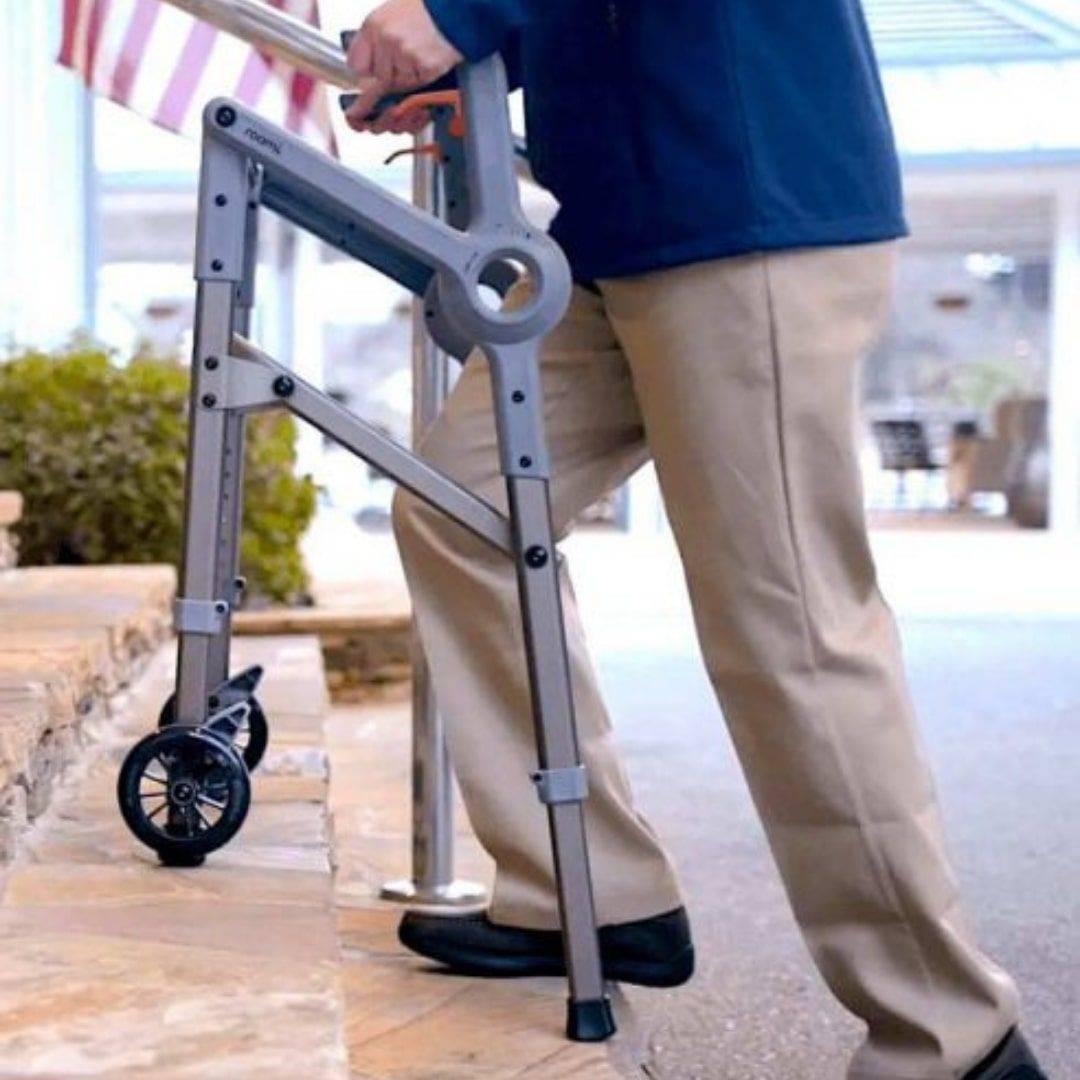
Walking Frames for Stability & Safer Movement
Find walking frames, folding walkers and wheeled frames to support steadier movement around the home and daily routines.
Walking Frames for Stability, Support and Safer Daily Movement
A walking frame can give you extra support when standing, stepping or moving through the home feels less steady than it used to. It offers a wider base than a walking stick and can be useful when balance, strength or confidence has changed.
This range includes standard walking frames, folding walkers, wheeled walking frames, ski glides, wheel accessories and multifunctional stand assist frames. These Walking Aids may suit seniors, NDIS participants, carers, people recovering from surgery or anyone who needs more stability during daily movement.
How to choose the right walking frame
- If you need the most stable support, look for a standard walking frame without wheels.
- If you have trouble lifting a frame with each step, look for a walking frame with front wheels or skis.
- If you need a frame that is easier to store, look for a folding walking frame.
- If you need help standing from a chair, look for a multifunctional stand assist walking frame with lower and higher hand grips. If you mainly move indoors, check the frame width, turning space and grip on smooth floors.
- If you need support over short outdoor paths, look for suitable wheels, ski glides and a stable frame.
- If you already own a compatible walking frame, check whether replacement wheels or ski glides can improve movement.
- If you need higher support or have complex mobility needs, ask an occupational therapist or physiotherapist for advice before choosing.
Standard walking frames
Standard walking frames offer firm support with four contact points on the floor. They are often used indoors by people who need more stability than a walking stick can provide. The user usually lifts the frame forward before stepping, so enough arm strength and coordination are important.
Folding walking frames
Folding walking frames are useful when storage space is limited or the frame needs to be transported between home, appointments or respite care. They suit people who want stable walking support without keeping a large frame open all the time.
Wheeled walking frames
Wheeled walking frames are designed to move more smoothly than standard frames. Front wheels can reduce the need to lift the frame with every step, which may help people with reduced upper body strength or fatigue.
Walking frames with skis
Walking Frame with Wheels and Ski Glides can slide more easily across some indoor surfaces. They are often used with front wheels to create smoother movement while still offering a stable frame shape.
Multifunctional stand assist frames
A Multifunctional Walking Frame Stand Assist features can support both rising and walking. Lower hand grips help with pushing up from a seated position, while higher grips help once standing. This can be useful for people who need support when moving from sitting to standing.
Walking frame accessories
Wheels and ski glides can help maintain or adapt a compatible walking frame. Replacing worn or unsuitable parts can improve how the frame moves and feels during daily use. Always check compatibility before purchasing accessories.
Who can benefit from this category?
Walking frames may suit people who need more stability than a cane or crutch provides. They can be useful after surgery, during rehabilitation, with age related balance changes, or when reduced strength makes walking feel less secure.
They may also help carers support safer daily routines at home. A well matched frame can make short movements, transfers and bathroom or bedroom routines feel more controlled.
NDIS and independent living note
Walking frames may relate to daily living goals, therapy goals, safer movement at home and greater independence with everyday routines. Some walking frames and accessories may be NDIS eligible when they match your support needs and plan goals.
BetterCareMarket is a Registered NDIS Provider. Funding approval is not automatic, so check with your support coordinator, occupational therapist, physiotherapist or plan manager if you are unsure which product is right for your situation.
Takeaway
The right walking frame should give you steady support without making movement harder, so each step feels safer and more controlled.