



Peak Flow Meters & Respiratory Monitoring Accessories
Peak flow meters, inspiratory flow meters and mouthpieces for home, clinic and carer supported respiratory monitoring.
Peak Flow Meters for Asthma & Respiratory Monitoring
When breathing changes are hard to judge by symptoms alone, a peak flow meter can give you a simple way to track airflow over time. This can be useful for people managing asthma, COPD or other respiratory conditions under medical guidance.
This category includes standard peak flow meters, low range peak flow meters, inspiratory flow meters and replacement mouthpieces. It suits adults, children, carers, clinics, schools, NDIS participants and people who need practical respiratory monitoring at home or in care settings.
How to choose the right product
- If you need to monitor how strongly you can blow air out, look for a standard peak flow meter.
- If the user is a child or has lower airflow levels, look for a low range peak flow meter.
- If you need to measure breathing in, inhaler technique or nasal airflow, look for an inspiratory flow meter.
- If you are replacing parts for shared use, clinic use or regular testing, look for compatible mouthpieces.
- If you are unsure which range or device type is correct, ask your doctor, pharmacist, respiratory nurse or asthma educator before ordering.
Peak Flow Meters
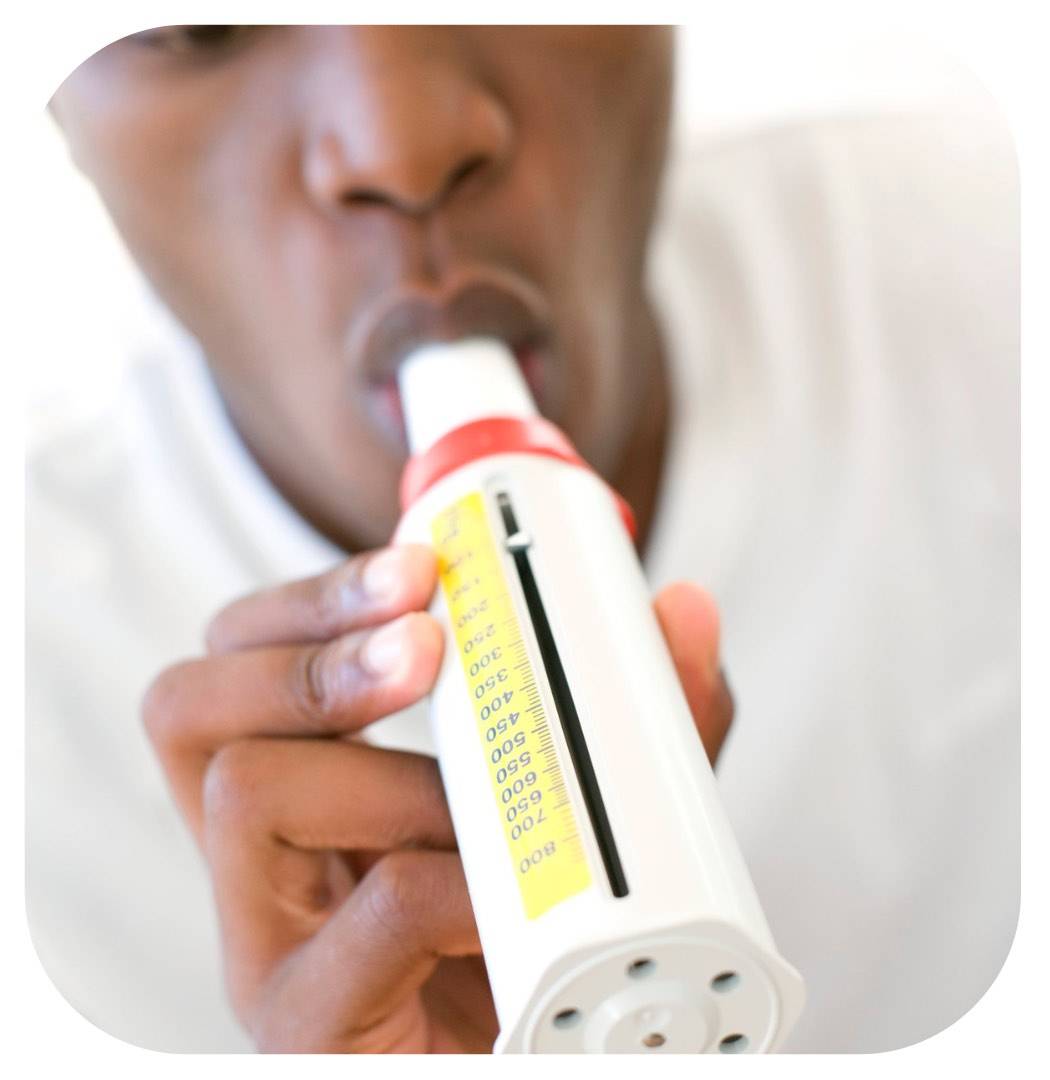
Peak flow meters are practical respiratory care devices used to measure how quickly air can be blown out of the lungs. They are often used by people managing asthma, COPD, emphysema, chronic respiratory infections and other breathing conditions where lung function needs to be monitored over time.
By recording peak flow readings regularly, you can share clearer information with your doctor and better understand changes in your breathing. For some people with asthma, a drop in peak flow may appear before symptoms become obvious, helping them follow their asthma action plan sooner.
BetterCareMarket offers standard peak flow meters, low range peak flow meters, nasal and oral inspiratory flow meters, expiratory peak flow meter mouthpieces and replacement respiratory mouthpieces.
Standard Peak Flow Meters
Standard peak flow meters are designed for people who need to monitor their breathing at home, school, work or during routine respiratory care. They measure the speed of air breathed out forcefully after a full breath in.
Products such as the Mini-Wright Standard Peak Flow Meter and Airzone Peak Flow Meter can support asthma monitoring, COPD care and general respiratory tracking when recommended by a healthcare professional. They are lightweight, portable and simple to use once the correct technique is understood.
A standard peak flow meter may be useful for adults or older children who have been asked to record readings as part of their respiratory management plan.
Low Range Peak Flow Meters
A low range peak flow meter is designed for people with lower baseline lung function or those who need more sensitive readings at lower airflow levels. This may include children, people with more severe respiratory conditions or users whose expected peak flow range is below the standard measurement range.
The Mini-Wright Low Range Peak Flow Meter can help provide more suitable readings when a standard peak flow meter does not match the person’s breathing capacity.
Choosing between a standard and low range peak flow meter should be based on age, lung function, medical advice and the range your healthcare professional wants you to track.
Inspiratory Flow Meters
Inspiratory flow meters measure how air is breathed in rather than blown out. These devices can be useful when assessing inhalation strength, inhaler technique or nasal airflow, depending on the model and clinical purpose.
BetterCareMarket stocks nasal and oral inspiratory flow meters, including In-Check Nasal, In-Check Oral and In-Check Dial options from Able. These respiratory devices may be used by clinicians, carers or individuals who need to better understand inhalation patterns.
Inspiratory flow meters are more specialised than standard peak flow meters, so it is important to choose the correct device for the type of breathing measurement required.
Peak Flow Meter Accessories
Peak flow meter accessories help keep respiratory monitoring practical, hygienic and ready to use. Replacement mouthpieces are useful for clinics, shared care settings, family use or anyone who needs spare parts for ongoing respiratory management.
The range includes plain respiratory mouthpieces, inspiratory flow device mouthpieces and expiratory peak flow meter mouthpieces. Having the correct accessory helps support accurate use and a cleaner testing routine.
When replacing mouthpieces, always check that the part matches the device being used. This is especially important for schools, clinics, support workers and carers managing multiple users or repeat testing.
Learn More About Respiratory Care
Peak flow meters are only one part of respiratory care. BetterCareMarket also offers nebuliser machines, spacers, breathing aids and respiratory accessories for people managing asthma, COPD and other lung conditions.
For more guidance, visit our Respiratory Care category or read helpful articles in our Lung Health Blog, including guides on breathing accessories, nebulisers, asthma support and lung health management.
These resources can help you compare respiratory products, understand how different breathing devices are used and make a more confident choice before purchasing.
NDIS and independent living note
Peak flow meters and respiratory monitoring accessories may relate to daily health routines, independent living and therapy goals when they support a person’s disability related needs. Some items may be considered NDIS Consumables when they are reasonable and necessary for your plan.
BetterCareMarket is a Registered NDIS Provider. NDIS funding is not automatic, so check with your support coordinator, plan manager, occupational therapist, respiratory clinician or asthma educator if you are unsure.
Takeaway
The right peak flow meter can make respiratory monitoring clearer, simpler and easier to share with your care team.