



Dressing Aids for Easier Independent Dressing
Practical dressing aids for easier socks, shoes, buttons, zips and clothing with less bending, reaching and hand strain.
Dressing Aids for Easier, More Independent Dressing
Dressing Aids make everyday dressing easier when bending, reaching, gripping, pulling or fastening clothing has become difficult. They support people living with arthritis, reduced hand strength, limited shoulder movement, back pain, hip or knee concerns, stroke related weakness, disability, age related mobility changes or recovery after surgery.
This range includes shoehorns, sock aids, stocking aids, dressing sticks and button hooks. Each product solves a specific dressing problem. Some reduce bending towards the feet. Some improve grip and control. Others make buttons, zips, socks, stockings, shoes, jackets and trousers easier to manage with less strain.
Dressing Aids are practical Daily Living Aids and Independent Living Aids for home, aged care, rehabilitation and NDIS participants. As a Registered NDIS Provider, BetterCareMarket supplies everyday assistive products that support safer routines, dignity and independence. If dressing is affected by balance, pain or bathroom safety, you might also find relevant support in our Walking Aids, Bathroom Aids, Mobility Aids and Braces & Supports ranges.
How to Choose the Right Dressing Aid
- If reaching your feet is difficult when putting on shoes, choose long handle shoe horns.
- If bending to put on socks is difficult, choose Sock aids that holds the sock open while you guide your foot through.
- If stockings or tights are harder to manage than standard socks, a stocking aid can provide a more structured guide.
- If shirts, jackets, trousers or socks are difficult to pull into position, choose a dressing stick.
- If you need help with both clothing and shoes, a dressing stick and shoehorn combination gives you two functions in one tool.
- If buttons and zip tabs are difficult to grip, choose Our Button Hooks and Zip Pullers.
Many people find that two simple aids solve different parts of the same dressing routine, such as using a sock aid together with a long handled shoehorn.
Long Handle Shoehorn
A long handled shoehorn is a tool that helps you put on shoes without bending down, crouch or pull shoes on by hand. It has an extended handle to allow you to slide your foot into your shoe while standing or sitting upright. You simply place the curved end of the shoe horn at the back of your shoe and guide your heel in, making it easier and more comfortable to wear shoes, especially for those with limited or back problems.
They suit customers with back pain, hip stiffness, knee pain, arthritis, balance concerns, limited flexibility or post surgery precautions.
The range includes metal, plastic and lightweight options from brands such as Homecraft, Helping Hand and Aidapt. A shorter plastic shoehorn suits travel, storage and occasional use. A longer shoehorn gives better reach when sitting on a chair or standing with support. Some models include a hanging loop for easy storage and a shaped end that guides the heel into shoes or slippers.
Choose this product type when the main issue is reaching your feet, protecting the back of your shoes, or putting footwear on without strain.
Sock and Stocking Aids
Sock and stocking aids are devices that help you put on socks or stockings without bending down. It usually consists of a flexible frame and long handles or straps. Sock and stocking aids hold the sock or stocking open so the foot slides in while you stay seated. You place the sock over the frame, insert your foot, and the use the handles to pull the sock up your leg. This makes it much easier for people who struggle to bend, lift the leg, reach the toes or grip fabric with both hands, or with limited mobility, back pain or flexibility issues to put on their socks or stockings.
Options include compact sock aids, flexible sock aids, loop handle designs and stocking aids with long straps. The Homecraft Sock Aid uses a plastic core, terry cloth outer and nylon lining, so the sock stays in place while the foot slides through. The Aidapt Flexible Sock Aid has loop handles and a flexible three finger shape that follows the foot and heel. The Dorking Stocking Aid has a shaped gutter with long cotton tapes and suits socks, tights and light compression stockings.
Choose this group for daily socks, stockings, limited reach and seated dressing.
Dressing Sticks
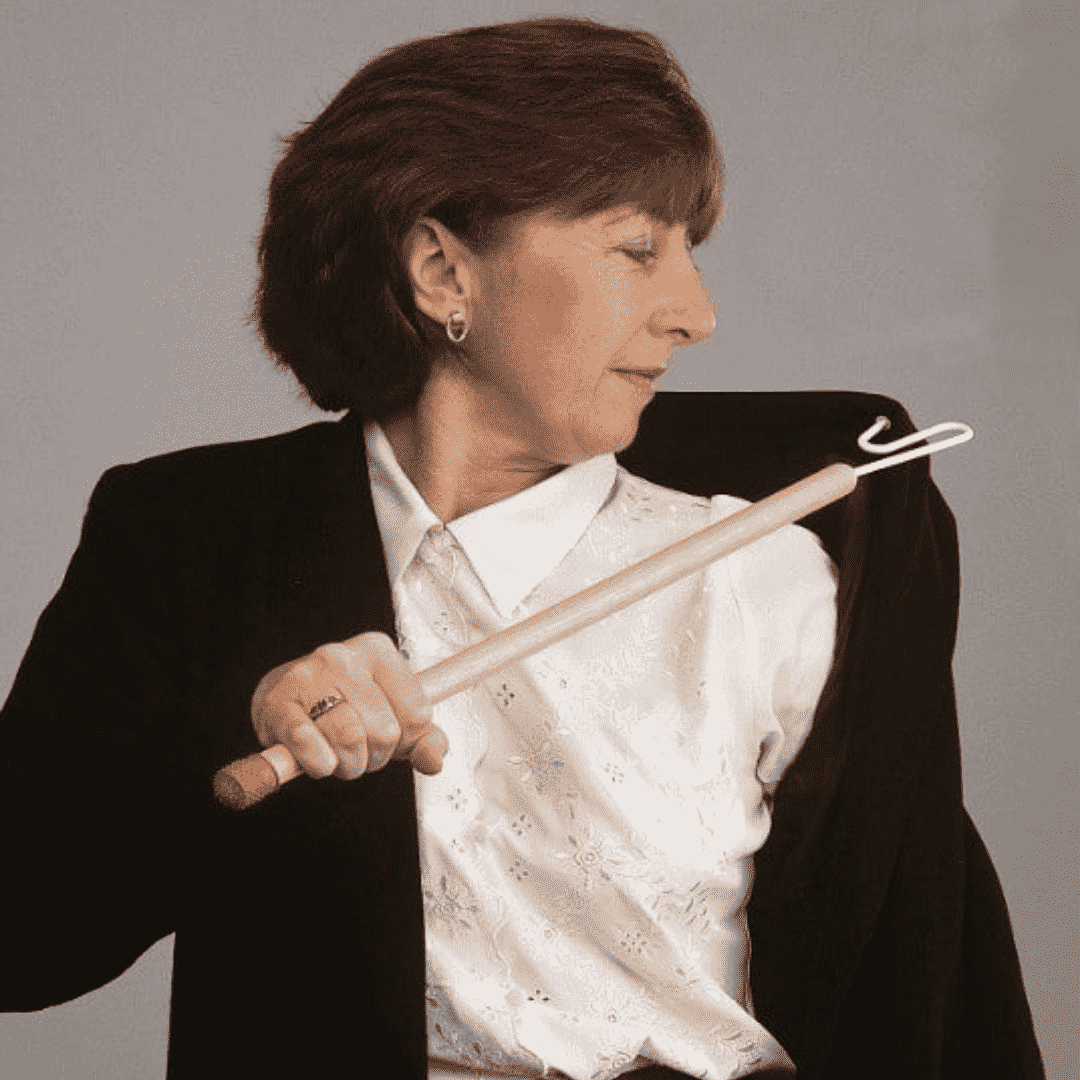
A dressing stick is a convenient dressing aid that assists people with reduced range of movement, strength and dexterity in their upper limbs and back. They gives extra reach and control when pulling clothing on or taking clothing off.
Dressing assist people in putting on shirts, jackets, coats, pulling up or removing trousers and socks. It suits reduced shoulder movement, weak grip, one hand dressing, arthritis, stroke recovery, back pain and limited upper body strength.
The dressing stick features a rubber tip on one end and a double wire hook on the other end. The wooden stick connects the hook and tip and ensures that the user has an excellent grip when wearing or removing garments.
The Homecraft Dressing Stick has a rubber tip at one end and a double wire hook at the other. It supports practical dressing tasks such as pulling shirts, jackets, coats, trousers, socks or stockings into position. The Aidapt Dressing Stick Shoehorn Combo adds a shoehorn function in one 60 cm tool, making it a good choice when both clothing and footwear are part of the same dressing challenge.
Choose a dressing stick when the task involves reaching, guiding, pushing or pulling garments without twisting the body.
Button Hook and Zip Puller
Button hooks and zip pullers support fine motor tasks that become difficult with arthritis, tremor, hand weakness, swollen fingers, reduced finger movement or one hand dressing. They are small tools with a strong role in daily independence.
The Button Hook and Zip Puller combines two dressing aids in one 23.5 cm tool. One end uses a wire loop to pull buttons through buttonholes. The other end uses a small hook to pull zips up or down. The wooden handle gives a steadier grip than trying to pinch small buttons or zipper tabs directly.
These dressing aids are great solutions for people with limited finger movement or with only the use of one hand who often struggle with the buttoning and zipping.
Choose this product when shirts, pants, jackets, cardigans, uniforms or everyday clothing are manageable, but the fastening step causes frustration, pain or delays.
Who Can Benefit from Dressing Aids?
Dressing Aids are useful for people who want to complete more of their dressing routine independently.
They are commonly used by older Australians, people with arthritis, reduced hand strength, limited shoulder movement, back stiffness, reduced flexibility or stroke related weakness.
They are also frequently used during recovery after hip or knee surgery when bending towards the feet is restricted.
Carers can use appropriate dressing aids to encourage the person they support to complete parts of the task themselves rather than relying entirely on hands on assistance.
NDIS and Dressing Aids
Some Dressing Aids may be NDIS eligible when they relate directly to your disability, functional needs and daily living goals.
Products such as sock aids, dressing sticks, long handled shoehorns and button hooks can fit within Daily Living Aids, Independent Living Aids or low risk Assistive Technology depending on their purpose and your individual plan.
BetterCareMarket is a Registered NDIS Provider. Funding is not automatic, so check your plan or speak with your support coordinator, occupational therapist or plan manager if you are unsure.
Takeaway
Choose the aid that matches the part of dressing that causes the most difficulty. A simple tool for socks, shoes or fasteners can make the whole routine easier to manage.