



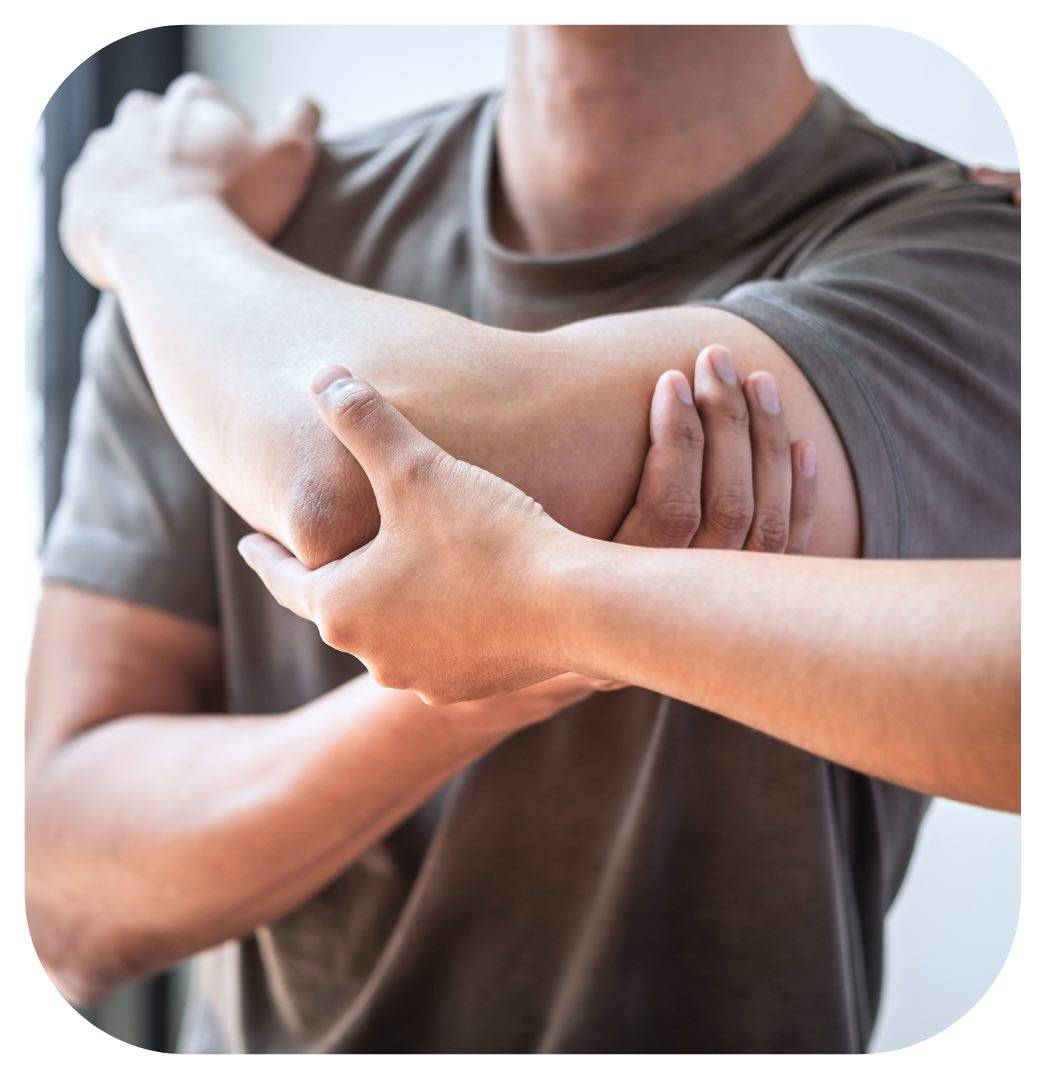
Arm & Elbow Arthritis Aids for Support and Daily Comfort
Find elbow braces, supportive sleeves, pain therapy devices and practical aids for managing arm stiffness and difficult daily movements.
Arm & Elbow arthritis aids, braces and supports
Arthritis in the arm and elbow can cause pain, stiffness, swelling and reduce range of movement in the affected joints. This pain might be constant or flare up during certain activities. these symptoms can make daily tasks, suchas getting dressed, typing, cooking or even driving more challenging and painful.
Arthritis care for the elbow and arm often involves the use of aids and equipment, these specialised arthritis tools are designed to reduce pain and inflammation in the affected area. Therefore, allowing the person to perform daily activities with comfort and confidence.
How to choose the right arm or elbow aid
- If you need light support during everyday activity, look for a flexible elbow sleeve or elastic support.
- If you need greater stability, consider a structured elbow brace designed to control or limit movement.
- If discomfort is linked to repetitive gripping or forearm activity, a tennis elbow brace applies targeted pressure below the elbow.
- If your elbow movement needs to be carefully restricted, look for a range of motion brace that allows movement within selected limits. Seek professional fitting advice when required.
- If your arm needs temporary support following an injury, an arm sling can reduce the effort required to hold its weight.
- If reaching across your body is difficult, a seatbelt reacher can bring the belt closer and reduce stretching or twisting.
- If gentle arm movement forms part of your therapy routine, a pedal exerciser or mini exercise bike may provide controlled upper limb exercise when positioned safely.
- If you are considering TENS for pain management, check that the device is suitable for you and follow the placement and safety instructions carefully.
Flexible elbow sleeves and supports
Compression sleeves and elastic supports provide close fitting support while allowing everyday elbow movement. Thermal designs may also provide warmth around the joint. These products suit people looking for lighter support rather than firm movement restriction.
Structured elbow braces
Structured braces provide a higher level of stability than a flexible sleeve. Some are designed to support the elbow during activity, while range of motion braces can restrict bending and straightening within set limits. Correct sizing and adjustment are important for comfort and function.
Tennis elbow brace
A tennis elbow brace is a supportive strap or band worn around the forearm, just below the elbow. It is designed to reduce strain on the muscles and tendons around the elbow, which can help reduce the pain and discomfort caused by conditions like arthritis.
By applying gentle pressure to the forearm muscles, the elbow brace helps reduce the stress away from the affected area, reducing pain and inflammation. It also helps promote better alignment and stabilisation of the elbow, which can help prevent further strain and injury, allowing individuals with arthritis maintain their independence and continue performing their daily activities.
Arm slings
An arm sling holds the forearm close to the body and reduces the effort needed to support the arm. Slings are usually intended for temporary use after injury or when directed by a healthcare professional. Wearing one longer than required can contribute to stiffness.
Tens machine for arm pain
Elbow or Arm pain can restrict your daily activities. If you suffer from stiffness, muscle tension or poor circulation, a Tens machine can offer a favourable solution to drug-free pain relief. The unit is intended to stimulate nerves and aching muscles to improve muscle performance.
Dr Ho’s Tens Machine for Pain Therapy is designed for pain relief and features adjustable massage modes for improving blood circulation. This professional grade Tens unit and EMS starts working immediately. Small, portable and convenient tool to relieve arthritis pain in your arm and elbow.
Another really efficient tool is the PainGone Plus Pen that noticeably reduces painful joints. This small tens machine delivers targeted electrical impulses at the push of a button, whenever you need it!
Gentle exercise equipment
Pedal exercisers and mini exercise bikes can sometimes be placed on a stable surface for controlled arm pedalling. They may form part of a movement, circulation or rehabilitation routine. Resistance, positioning and exercise duration should match your ability and professional advice.
Seat Belt Reacher
For individuals with arthritis in the wrists and elbows, using a seatbelt can be painful and difficult due to limited range of movement and joint pain. A Pelican Seatbelt Reacher is a handy tool to help make this task easier to do. It features a long handle with a clip or hook that attaches to the seatbelt, and extends the users reach, and reduces the strain on their joints, making it easier to pull the seatbelt across their body.
This tool improves safety and independence by reducing the discomfort associated with stretching or twisting their arms, allowing users to fasten their seatbelt without assistance.
Who can benefit from this category?
Arm and elbow arthritis aids may be useful for:
People living with osteoarthritis or rheumatoid arthritis
People experiencing elbow stiffness, swelling or reduced movement
People whose symptoms increase with gripping, lifting or repetitive arm activity
Seniors who find reaching or fastening a seatbelt difficult
People recovering from an arm or elbow injury under professional guidance
NDIS participants working towards greater independence with personal care, travel or home activities
Carers looking for practical equipment that reduces difficult reaching or lifting tasks
The right product depends on where your discomfort occurs, how much movement you need and which activity you want to make easier.
The NDIS and arm and elbow braces
Some arm and elbow aids may be eligible for NDIS funding when they are related to your disability, support your plan goals and meet current funding criteria. Examples could include a reach assistance product or other low-cost assistive technology that improves daily participation.
Braces, therapy equipment and pain management devices are not automatically funded. Evidence or advice from an occupational therapist, physiotherapist or other healthcare professional may be required.
BetterCareMarket is a Registered NDIS Provider. Check your plan and speak with your support coordinator, occupational therapist or plan manager when you are unsure whether an item can be purchased using your NDIS funding.
Takeway
Choose support for the movement that troubles you most, so everyday reaching, bending and lifting feels more manageable.