
Overbed Table

Overbed Table

2 Items

NDIS
Days Overbed Table, convenient bed desk for postoperative care
$179.95
NDIS Top Seller
Homecraft Tilting Over Chair Table
$309.95

2 Items

Loading...

Interesting things to know about BetterCareMarket’s Overbed Table

Overbed tables: a convenient and versatile solution at home

An overbed table Australia is a perfect addition for those having difficulty walking during recovery from an injury or for individuals who are bed-bound for a longer period of time.

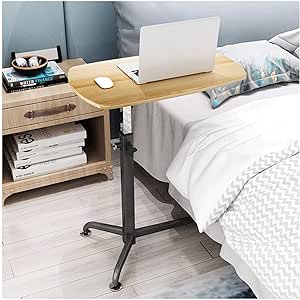
Designed for convenience, this adjustable overbed table glides seamlessly over your bed, sofa, or chair, making it ideal for eating, reading, writing, playing games, or using your laptop. Our range of hospital overbed tables features free-standing, mobile, and height-adjustable frames that provide a stable surface easily tailored to fit your unique requirements.

At Bettercaremarket, we understand the importance of quality bed tables in enhancing patient comfort. 


Why Choose Adjustable Overbed Tables?

Adjustable overbed tables offer versatility. They allow carers to customise the height of the table to accommodate patient preferences and medical requirements.

The over bed tables provide the flexibility to support various activities comfortably.


Features and Benefits of an Overbed Table

Height Adjustment

The overbed tables have easy-to-use height adjustment mechanisms. They ensure optimal positioning for patients of different heights and mobility levels.


Tilting Surface:

Bed tables allow users to find a comfortable angle for different activities without straining their necks or wrists.


Sturdy Construction:

The over bed desk is constructed from high-quality materials. It is designed to withstand daily use in healthcare environments. It provides stability and durability for long-term reliability.


Mobility Options:

The overbed table features smooth-rolling castors that allow the bed table to be wheeled in position across any room, while the tilt function ensures you can position the tabletop at the perfect angle for writing, eating, or browsing the web.

Its spacious surface provides ample room for all your essentials, whether it’s a book, a cup of tea, or a tablet.


Easy to Clean:

Hygiene is important in healthcare. The overbed table is easy to clean and maintain. It helps prevent the spread of germs and bacteria.


Explore Our Wide Range of Overbed Tables

Browse our collection of adjustable overbed tables to find the perfect solution for at home or for your healthcare facility. Bettercaremarket provides high-quality products and prioritises patient comfort, caregiver convenience, and durability.


Overbed Table:

The Overbed Table is a mobile solution for eating, reading, or hobbies. It can be positioned over a bed, chair, or armchair with wheels for easy mobility. It is ideal for bedridden individuals or spending extended time in bed. It offers ample space for meals, reading, or using a laptop or tablet. It is perfect for home or aged care facilities.


Tilting Over Chair Table: 

The Tilting Over Chair Table is a versatile solution for limited mobile patients. It has wheels and a side table for a cup or mug. It easily fits over armchairs, recliners, or wheelchairs. The height can be adjusted to your preference. 


Investing in adjustable overbed tables from Bettercaremarket ensures patients receive the support they need to enhance their comfort. It maintains the independence of patients at home or in aged care facilities.

Whether for use in the bedroom, living room, or any space, an overbed table is an essential tool for creating a supportive and comfortable environment.

Frequently Asked Questions

Here are some frequently asked questions about BetterCareMarket's Overbed Table

An overbed table gives a stable surface over a bed, chair, armchair or recliner. It supports everyday tasks such as eating, reading, writing, using a tablet, using a laptop, doing puzzles, keeping personal items close and completing care routines from a seated or lying position.
An overbed table suits people who spend long periods in bed or seated due to illness, disability, injury, fatigue, reduced mobility, post surgery recovery or aged care needs. It also suits carers who need a more practical surface for meals, medication, personal care items or daily activities.
An overbed table is usually positioned over a bed and rolls into place on wheels. An overchair table is shaped for use over an armchair, recliner or wheelchair. A tilting over chair table often gives better positioning for reading, writing or tablet use while seated in a lounge chair.
A tilting over chair table lets the user angle the surface for reading, writing, drawing, tablet use or activities that need a better viewing position. This reduces strain through the neck, shoulders and wrists during seated tasks. A separate flat side section is useful for a cup, mug or small personal item.
Yes. An overbed table provides a stable surface for meals, drinks, cutlery and personal items when sitting up in bed. Choose a model with enough surface space, smooth wheels and height adjustment so the table sits at a comfortable level.
Yes. An overbed table or tilting over chair table gives a practical surface for a laptop, tablet, book or notebook. A tilting surface is better for reading and screen viewing. A flat surface is better for meals, drinks and items that need to stay level.
Wheels make the table easier to move into position beside a bed, chair or armchair. They also allow carers to move the table away during transfers, cleaning or care routines. This is important when space is limited or when the table needs to serve more than one position.
Check the height range, table surface size, wheel movement, base shape, stability, cleaning requirements and where the table needs to fit. The base must slide under or around the bed, chair or recliner. The tabletop should sit at a comfortable height without forcing the shoulders to lift.
An overbed table is a practical choice after surgery when walking, bending, standing or moving around the home is limited. It keeps meals, drinks, medication, books, devices and personal items within reach while the person rests and recovers. Always follow clinical advice about movement and positioning after surgery.
Yes. Overbed tables are common Daily Living Aids for people with disability, reduced mobility, fatigue, weakness, chronic illness or long term care needs. They support greater independence by keeping essential items closer and reducing the need to repeatedly stand, reach or call for assistance.
Overbed tables are relevant for many NDIS participants when they support disability related daily living needs, independence, access to meals, seated activities or safer care routines. Funding suitability depends on the participant’s plan, goals and support needs. BetterCareMarket is a Registered NDIS Provider.
A tilting over chair table is often the better choice for recliners and armchairs because it is made for seated use and positioning over a chair. It suits reading, writing, hobbies, tablet use and keeping items close while seated in the lounge.
A mobile overbed table with wheels and height adjustment is usually the better choice for someone who spends extended time in bed. It provides a moveable surface for meals, drinks, reading, writing, personal care items and daily essentials.
No. A bedside table stores items beside the bed. An overbed table brings the working surface directly over the bed or chair. Many people use both. The bedside table holds regular items, while the overbed table supports meals, reading, activities and care routines.
Most overbed tables have smooth surfaces that wipe clean after meals, drinks, medication routines or daily use. This matters in home care, aged care and recovery settings where hygiene and simple cleaning are important.
Position the table on a flat surface, adjust the height before use and avoid placing heavy or unstable items near the edge. Do not use the table as a walking aid, transfer aid or support rail. Move the table away before standing, transferring or using Walking Aids.
Overbed tables pair well with bed rails, pressure cushions, lumbar supports, reachers, pill dispensers, urinals, mobility aids and other Independent Living Aids. The best combination depends on whether the main need is comfort, safer transfers, item access, medication routines or recovery support.