



Stroke Recovery Aids for Daily Living, Mobility & Home Safety
Bedroom, bathroom, kitchen, exercise and drop foot aids to make daily stroke recovery routines safer and easier at home.
Stroke Recovery Aids for Home Care
Stroke recovery can change how you move, dress, shower, eat, prepare meals and get in or out of bed. Weakness, fatigue, balance changes and reduced hand function can make familiar tasks feel harder than before.
This category brings together practical Stroke Recovery aids for the bedroom, bathroom, kitchen, exercise and mobility. It includes Daily Living Aids, Bathroom Aids, transfer aids, dressing aids, kitchen aids, exercise tools and Braces & Supports for people recovering at home, carers, NDIS participants and support workers.
How to choose the right product
- If getting in or out of bed is difficult, look for bed rails, overbed poles, bed raisers, leg lifters or transfer aids.
- If showering or toileting feels unsafe, look for shower stools, toilet frames, raised toilet seats, bottom wipers or long handled washing aids.
- If dressing takes too much effort, look for sock aids, stocking aids, dressing sticks, shoe horns, button hooks and reachers.
- If eating or drinking is harder with one hand, look for scoop plates, non slip bowls, plate guards, adapted cutlery and easy grip cups.
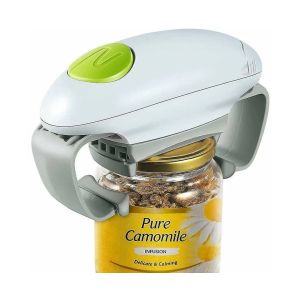
- If preparing food is difficult, look for one touch openers, food workstations, cutting aids, kitchen shears and preparation boards.
- If transfers are challenging, look for transfer boards, turntables, handy bars or commodes that match the person’s strength and environment.
- If walking is affected by drop foot, look for a foot brace and ask a clinician to confirm fit and suitability.
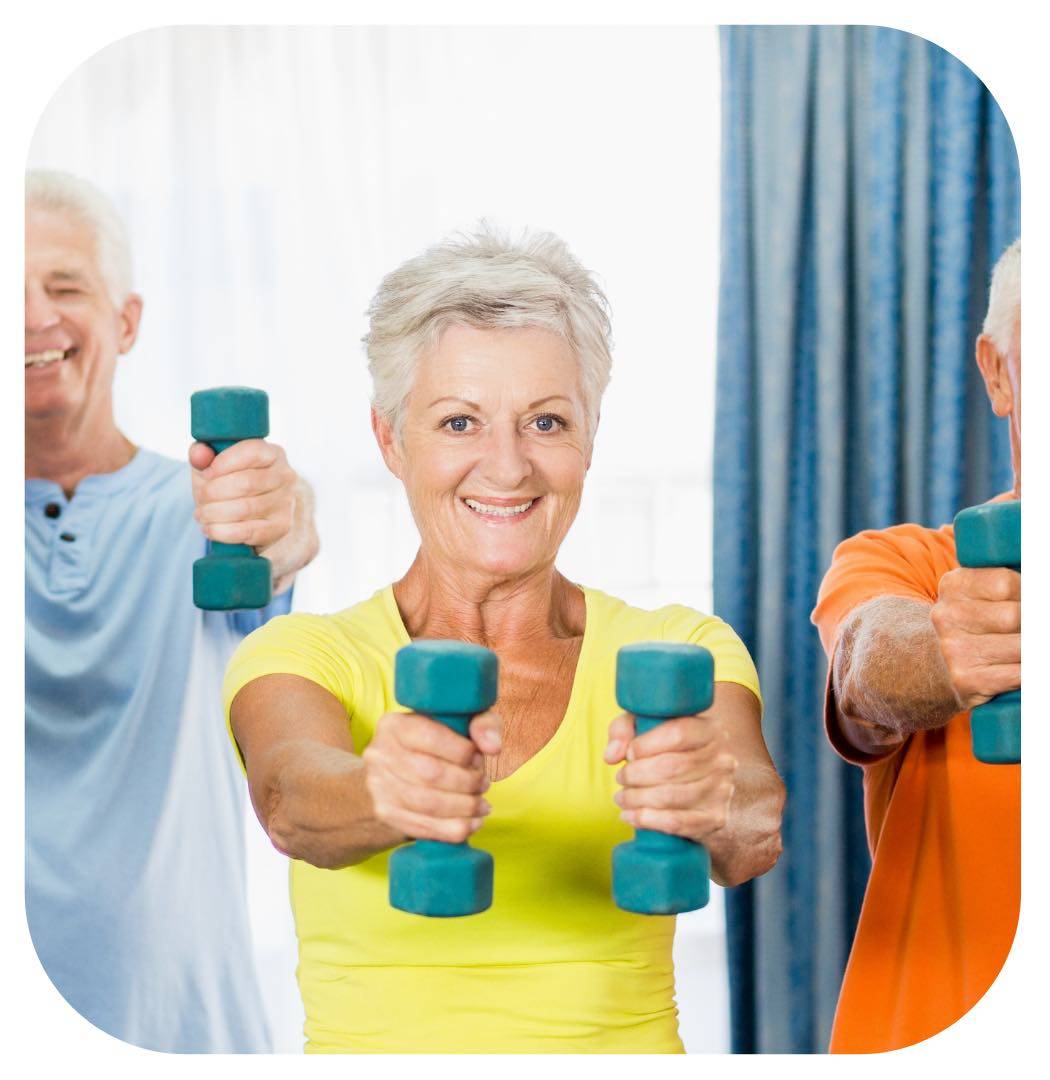
- If exercise is part of the recovery plan, look for pedal exercisers, shoulder pulleys, overhead pulleys or activity trackers.
Bedroom and bed mobility aids
Bed rails, overbed poles, bed raisers, leg lifters and sliding sheets can make bed routines easier. They may help with repositioning, sitting up, standing from bed or moving legs with less strain.
Bathroom and toileting aids
Bathroom Aids such as shower stools, raised toilet seats, toilet frames, commodes, bottom wipers and long handled washing tools can make personal care safer and more manageable. They are often chosen when balance, standing tolerance or reach is reduced.
- Shower stool - a shower stool can significantly improve safety and comfort by allowing you to sit during showering, which reduces the risk of slips and falls. The padded seat reduces pressure and strain and armrests provide for easy transfers. It is sturdy with non-slip and adjustable legs, which prevents sliding on wet surfaces. It allows you to conserve energy and focus on thorough cleaning without the fear of losing balance.
- Toilet Frame and Shower Chair - additionally, a multifunctional shower chair and over toilet frame that doubles as a shower chair and over toilet frame offers versatile support for both showering and toileting. An over toilet frame is a study, supportive surround structure that fits over a regular toilet to make it easier for people with reduced strength and mobility to use the bathroom. It has adjustable legs to raise the toilet seat height and study armrests, making standing up and sitting down easier and safer. The multifunctional shower chair and over toilet frame provides convenient storage solutions by incorporating multiple features in one device.
- Transfer Board - stroke survivors also encounter challenges in mobility and transferring between surfaces, such as from wheelchair to a bed, chair to commode or in and out of a car. These movements require coordination, strength and balance, which may be compromised after a stroke. Curved transfer boards are valuable aids designed to facilitate safe and efficient transfers, supporting individuals in regaining independence and mobility during recovery. Its curved design allows for easier positioning and smoother transfers between surfaces, minimising friction and reducing the risk of skin irritation or injury.
Dressing and reaching aids
Dressing sticks, sock aids, stocking aids, shoe horns, button hooks and reachers help reduce bending, twisting and fine hand movements. They suit people who are rebuilding strength or managing one sided weakness.
Kitchen and dining aids
Adaptive plates, bowls, cutlery, cups, jar openers, bottle openers, can openers and food preparation boards can make mealtimes easier. Many are designed for one handed use or reduced grip strength.
Memory, vision and routine aids
Talking clocks, smart scales and simple daily routine products can help people keep track of time, weight, movement and appointments. These aids can be useful when stroke recovery affects memory, vision, planning or confidence.
Stroke Rehabilitation and Exercise Equipment
Stroke recovery often involves rehabilitating weakened or paralyzed muscles, particularly in the upper body. Shoulder and arm mobility can be significantly affected, making it difficult to perform everyday tasks. A shoulder and overhead pulley system is an effective tool in stroke rehabilitation, designed to improve strength, flexibility and range of motion in the shoulder and arm. They typically consist of a pulley mounted overhead, a rope or cord and handles or grips at each end of the rope. The overhead pulley can be particularly beneficial for addressing shoulder subluxation, a common issue in stroke survivors where the shoulder joint becomes partially dislocated due to weakened muscles.
Ankle Foot Orthosis
A common condition in stroke survivors is drop foot, where they have difficulty lifting the front part of their foot. This is due to muscle weakness or paralysis in their leg and foot, which results in dragging of the foot whilst walking and causes fatigue and discomfort. Better Care Market offers a drop foot brace, which helps by holding the foot in a stable position, preventing it from dragging on the ground whilst walking. By keeping the foot and ankle in proper alignment, the brace reduces the risk of tripping and falling, making walking safer.
Who can benefit from this category?
Stroke Recovery aids can help people who are rebuilding independence after stroke, including those with weakness, balance changes, fatigue, reduced grip strength, one sided neglect, drop foot or difficulty with transfers.
They can also help carers, family members, occupational therapists, physiotherapists and support workers set up safer routines at home. The right mix of Independent Living Aids can reduce frustration and make daily care easier to manage.
NDIS and Stroke Recovery Aids
Stroke Recovery products may relate to daily living, personal care, home participation, mobility, therapy goals and community access. Some items may be considered NDIS Consumables, low cost Assistive Technology or higher level supports, depending on the product and your plan.
BetterCareMarket is a Registered NDIS Provider. Funding is not automatic, so check with your support coordinator, occupational therapist, physiotherapist, plan manager or healthcare team if you are unsure which aids match your goals.
Takeaway
Small practical aids can make stroke recovery at home feel safer, calmer and more achievable day by day.