




Eating & Drinking Aids for People Living with Dementia
Support safer, calmer mealtimes with dementia friendly cups, plates, bowls, cutlery and easy opening aids.
Eating and Drinking Aids for People Living with Dementia
Dementia can change how someone recognises food and tableware, handles cutlery or stays focused during a meal. Changes in coordination, grip or hand control can also make eating and drinking more tiring than it used to be. Additionally, some individuals may eat slowly or become easily distracted, causing their food to become cold which can make the meal less appealing and nutritious.
BetterCareMarket understands that people with dementia often face several difficulties during mealtime. Memory loss and confusion can make it hard for them to remember how to use utensils or even recognise food. This can lead to frustration and anxiety.
How to choose the right eating or drinking aid
- If food is regularly pushed over the edge of the plate, look for a scoop plate, contoured plate or plate guard with a raised edge.
- If the plate moves around while eating, choose tableware with a non-slip or suction base.
- If standard knives, forks or spoons are difficult to hold or position, consider bendable or easier grip cutlery.
- If holding a normal cup with one hand is difficult, a two-handled mug provides an additional grip point.
- If spills are the main concern, look at a cup or beaker with a supportive lid.
- If meals take longer and food becomes cold, an insulated or thermo plate can help retain warmth for longer.
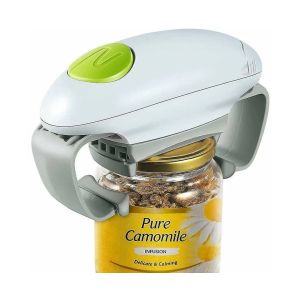
- If jars, cans or bottles are difficult to open, one touch and electric openers can reduce the hand strength and twisting normally required.
Cutlery for Dementia
BetterCareMarket offers a range of specialised aids designed to help people with dementia at mealtime. Our red bendable cutlery set features a flexible metal shaft that bends to any angle - right to left, reducing the effort needed to grip them. The ergonomic handles are comfortable and sec+ure, reducing the effort needed to grip them and helps prevent drops and spills.
High contrast tableware
Red plates, bowls and cutlery provide stronger visual contrast against many foods and table surfaces. For some people living with dementia or visual changes, clearer contrast can make tableware or food easier to distinguish.
The Red Bendable Cutlery Set, red Scoop Bowl and red Scoop Plates provide several ways to introduce stronger colour contrast without changing every item used at mealtimes.
Colour response varies between individuals, so choose the tableware the person identifies and uses most comfortably.
Special Bowls and Plates for Dementia
Scoop Bowls and Scoop Plates are essential tools for individuals with dementia. These bowls and plates feature raised edges that help guide food onto the spoon or fork, preventing it from spilling over the sides. The non-slip bases prevents them from sliding around, making self-feeding easier, and reduces the need for constant carer assistance during meals.
Heated Plates for Dementia
Some individuals with dementia may eat their food slowly, or are easily distracted, causing their food to become cold. Thermo plates are equipped with an insulated layer that can be filled with hot water.
This feature helps keep the food warmer, ensuring that even slower eaters can enjoy their meal at a comfortable temperature. By keeping food warm throughout the meal, thermal plates reduce the need for frequent reheating, which not only saves time and effort for carers but also minimises distractions.
Cups, mugs and beakers
Different drinking aids solve different problems.
The Etac Tasty Beaker Sippy Cup provides a lid to assist with more controlled drinking and reduce spills. The Ornamin Two-handled Vital Ergo Mug gives the user two grip points instead of one.
The Ornamin Non-Slip Cup is designed to remain steadier during use, while the Insulated Mug with Tumbler Lid and Vital Thermo Insulated Mug help drinks retain their temperature for longer.
Choose according to how the person currently drinks rather than selecting the most supportive cup automatically. Maintaining familiar movements can be useful when they remain safe and manageable.
Jar, bottle and can openers
Food preparation can also become difficult when dementia occurs alongside arthritis, reduced grip strength or limited hand movement.
The One Touch Jar, Bottle and Can Openers reduce the twisting or gripping normally needed to open everyday containers.
These Independent Living Aids can be useful for the person preparing their own food as well as carers who have hand or joint difficulties themselves.
Who can benefit from this category?
These products are intended for people living with dementia, Alzheimer's disease or other cognitive changes that affect mealtime routines, coordination or recognition.
They can also suit older Australians and people with disability who have reduced grip strength, limited hand movement or difficulty using standard tableware.
Family members and carers may find adapted eating and drinking aids useful when they want to encourage the person to continue doing as much of the meal independently as is comfortable and safe.
NDIS and eating and drinking aids
Some adapted eating and drinking products may be NDIS eligible when they relate directly to a participant's disability needs, daily living goals or ability to eat and drink more independently.
Funding is not automatic and depends on the product, why it is needed and the participant's individual plan and circumstances.
BetterCareMarket is a Registered NDIS Provider. If you are uncertain whether adapted cutlery, specialised tableware or another eating aid can be purchased with NDIS funding, check with your occupational therapist, support coordinator or plan manager.
Takeaway
Start with the part of the meal that is becoming difficult. The right aid should make eating or drinking simpler without taking away abilities the person can still use comfortably.