



Back, Neck & Shoulder Braces & Supports
Support your back, neck or shoulder with braces, belts, collars and slings for daily comfort, sport, recovery and rehabilitation.
Back Braces, Neck Braces and Shoulder Braces & Supports
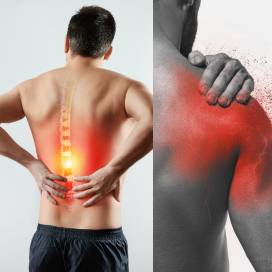
Back, neck and shoulder pain affects how you sit, stand, sleep, lift, walk, drive, work and complete everyday tasks. This category brings together Braces & Supports for the upper body, spine, lower back, pelvis, neck and shoulder, so you choose the right level of stability for your body and your routine.
The back braces, neck braces and shoulder supports are important tools for managing pain and aiding in the recovery from injuries. These supports provide stability, reduce strain and help maintain proper posture, which is vital for healing and preventing further injury. As an Australian Registered NDIS Provider, BetterCareMarket offers a wide variety of braces and supports, including neck braces Australia, back support braces Australia, and shoulder support Australia.
Our range includes posture back braces, lumbar support braces, sacro lumbar belts, decompression back belts, pregnancy back supports, shoulder braces, arm slings and cervical collars. These products suit posture concerns, lower back pain, sacroiliac pain, sciatica, arthritis, muscle strain, shoulder instability, rotator cuff injuries, whiplash, neck pain, recovery after surgery and everyday strain.
How to choose the right back, neck or shoulder support
Start with the area you need to support and what you want the product to do.
- If your shoulders tend to round forward and you want a reminder for more upright posture, look for a posture brace.
- If your lower back needs compression and stability during sitting, standing or movement, choose a lumbar or sacro lumbar support.
- If you want inflatable or traction style lumbar support, consider a decompression back belt.
- If discomfort sits lower around the pelvis or sacroiliac joints, look for an SI belt rather than a standard lumbar brace.
- If you need additional lower back and pelvic support during pregnancy, choose a pregnancy support belt designed for this purpose.
- If your shoulder needs compression or additional stability, look for a shoulder support or shoulder stabiliser.
- If the entire arm needs supported rest, an arm sling is more appropriate than a shoulder brace.
- If the neck requires controlled support, choose a cervical collar and follow professional advice where the injury is significant.
After surgery, fracture, dislocation or a substantial neck, back or shoulder injury, follow the type of support and wear instructions provided by your treating healthcare professional.
Posture braces for rounded shoulders and upper back alignment
A posture brace is chosen when slumped shoulders, upper back fatigue or poor sitting habits place extra strain through the neck, shoulders and spine. It gently draws the shoulders back and encourages a more upright upper body position.
The Ottobock Posture Brace Dorso Carezza suits rounded shoulders, poor posture, upper back strain and posture awareness during sitting or standing. It sits around the shoulders and fastens at the front for a secure fit. This style is best for posture training, desk work, standing tasks and daily routines where your shoulders drift forward. It is not a rigid spinal brace. It gives your body a clear reminder to return to better alignment.
Shoulder supports and stabilisers for injury and rehabilitation
Shoulder brace stabilisers are designed to keep the shoulder joint in place, providing stability and preventing excessive movement that could worsen an injury. These braces are often used for conditions such as rotator cuff injuries, shoulder dislocation, or after surgeries.
There are also compression sleeves, which are ideal for use during activities, both for an existing or as a preventative measure against future damage. They provide pain relief to the shoulder by delivering compression and increase blood circulation through therapeutic warmth.
Shoulder supports focus on joint control, warmth, compression and safer movement. They are selected when the shoulder feels unstable, painful, weak or vulnerable after injury.
The Push Med Shoulder Brace Stabiliser gives stronger shoulder positioning after injury or surgery. It suits shoulder instability, soft tissue strain, tendon injuries, rotator cuff related pain, dislocation recovery and rehabilitation. Vulkan and Oppo shoulder supports provide compression and support for active use, sport, work and daily tasks. Choose this group when lifting, reaching, dressing, carrying bags or sleeping on the affected side triggers shoulder pain. A shoulder brace offers more targeted control than a general posture brace.
Arm slings for shoulder, arm and fracture recovery
An arm sling supports the forearm and holds the arm close to the body. It reduces strain through the shoulder, elbow, wrist and upper arm during recovery.
The Vulkan Mesh Arm Sling is a lightweight option for shoulder dislocation, subluxation, sprains, strains, brachial nerve injuries, ligament injuries, upper arm fractures, lower arm fractures and care after surgery. The breathable mesh fabric suits daily wear, especially when the arm needs supported rest rather than active movement. Choose an arm sling when the shoulder or arm needs immobilisation, protection and controlled positioning during healing.
Lumbar Back Braces & Supports - Decompression Back Belts
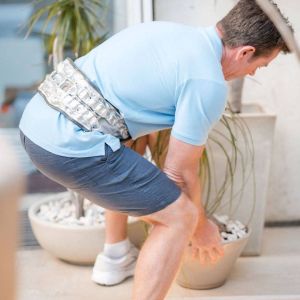
Decompression back belts are specialised lumbar supports designed to relieve pressure on the spine.They work by stretching the lower back, creating space between the vertebrae, which can help reduce pain and improve mobility. The gradual stretching of the spine takes away stress from the affected disc, allowing the disc to return to normal. Some belts provide additional thermal therapy to help warm up the strain tendons, muscles and bones to provide pain relief.
A decompression back belt is different from a standard lumbar brace. It uses inflation or traction style support to gently stretch the lower back and reduce pressure through the lumbar region.
The Dr Physio Decompression Back Support Belt and Thermal Decompression Back Belt suit lower back stiffness, compressed disc discomfort, tight muscles, joint pain and general lumbar pressure. The thermal version adds warmth for users who prefer heat around sore muscles and stiff joints. Dr Ho’s Triple Action Back Support also adds inflatable lumbar support and compression around the lower back. Choose this group when you want lower back stretching, decompression and structured support in one product.
Lumbar back braces provide firm lower back support during sitting, standing, lifting, walking and daily movement. It is a stronger choice when the lower back needs compression, stability and improved posture throughout the day.
Push Care, Push Med and Vulkan back supports suit chronic lower back pain, lumbar strain, muscle injury, arthritis, osteoarthritis, abdominal strain, sacro lumbar pain and recovery after surgery when recommended by a clinician. Some styles include adjustable pads, reinforced panels, compression straps or flexible stays for stronger control around the lower back and abdomen. Choose this group when lower back pain worsens with movement, lifting, long periods of standing or poor posture.
Pregnancy and sacroiliac belts for pelvic and lower back support
Pregnancy and sacroiliac belts sit lower than a traditional back brace. They support the pelvis, hips, sacroiliac joints and lower abdomen.
The Vulkan Pregnancy Back Support is worn under the bump and around the hips to reduce strain through the lower back during pregnancy. The Vulkan Sacroiliac Belt targets discomfort in the SI (sacro-iliac) joint, pelvic instability, sciatica symptoms, hip pain and lower spine strain. These belts are also relevant during postpartum recovery when pelvic stability remains an issue. Choose this group when pain sits low across the pelvis, hips or sacroiliac area rather than higher in the lumbar spine.
Neck braces and cervical collars for whiplash and cervical support
Cervical collars, also known as neck braces, are used to support and immobilise the neck. They are commonly used after neck injuries such as whiplash or after surgeries. The collar keeps the neck in a stable position, reducing pain and allowing the muscles and ligaments to heal.
Cervical collars can be soft or rigid, depending on the level of support and stabilisation required. Semi-rigid collars provide greater stability and are often used in more severe cases where multiple or traumatic injuries are involved.
A cervical collar supports the neck and limits movement through the cervical spine. It is selected for whiplash, neck strain, cervical pain, minor neck injuries, arthritis symptoms or recovery after medical treatment.
The Push Care Semi Rigid Cervical Collar gives stronger support with a contoured shape, semi rigid foam, rounded edges and moisture wicking lining. Choose a semi-rigid cervical collar when you need increased support and stability around the neck, with structured support to help limit unwanted neck movement. For neck injuries, follow your clinician’s advice on fit and wear time.
Who can benefit from this category?
Back, neck and shoulder supports cover many different situations rather than one particular condition.
You may be looking for support because of:
- lower back strain or weakness
- poor posture or upper back fatigue
- arthritis or joint stiffness
- shoulder weakness or instability
- sport or work related strain
- rehabilitation after an injury
- recovery following surgery
- sacroiliac or pelvic discomfort
- pregnancy related lower back strain
- neck strain or cervical support needs
- temporary arm immobilisation
These products can also be relevant for seniors, people with disability and NDIS participants when reduced trunk, shoulder or upper body function affects daily activities and independence.
NDIS Consumables and Back support
Push, Ottobock, Vulkan and Dr Ho's back braces may be NDIS eligible when they relate to your disability support needs, functional goals and the funding available within your plan.
BetterCareMarket is a Registered NDIS Provider and supports self-managed and plan managed participants with straightforward ordering and transparent invoicing. Plan managed customers can request invoices to be sent directly to their Plan Manager for payment.
Takeaway
Start with where you need support, then decide how much control you need. Back, neck and shoulder supports work best when the product matches the body region, the level of movement control and the reason for use. A posture brace guides alignment. A lumbar brace stabilises. A decompression belt stretches the lower back. A shoulder brace controls movement. A sling rests the arm. A cervical collar supports the neck.