



Heart Health and Stroke Recovery Aids
Find monitoring devices and practical stroke recovery aids for safer routines, rehabilitation and greater independence at home.
Heart Health Monitoring & Stroke Recovery Aids
Managing a heart condition or recovering from a stroke often involves regular monitoring, rehabilitation and changes to everyday routines. The right equipment makes health information easier to record and daily tasks safer to manage.
This category brings together two key areas: Monitoring Devices for tracking blood pressure, pulse and blood oxygen levels, and Stroke Recovery aids for mobility, personal care, transfers and rehabilitation.
How to choose the right product
Start with the main goal you need to address.
- If you need to record blood pressure, pulse rate or blood oxygen levels at home, explore Monitoring Devices.
- If a stroke has affected movement, balance, strength, coordination or personal care, browse Stroke Recovery.
Choose monitoring equipment that is easy to read, simple to operate and suitable for the user’s body size and abilities.
Choose recovery equipment according to the person’s current mobility, home environment and rehabilitation plan. An occupational therapist or physiotherapist can assess which products fit the safest approach.
Heart and stroke product guide
Monitoring Devices
Monitoring devices provide clear measurements that you can record and share with your healthcare team.
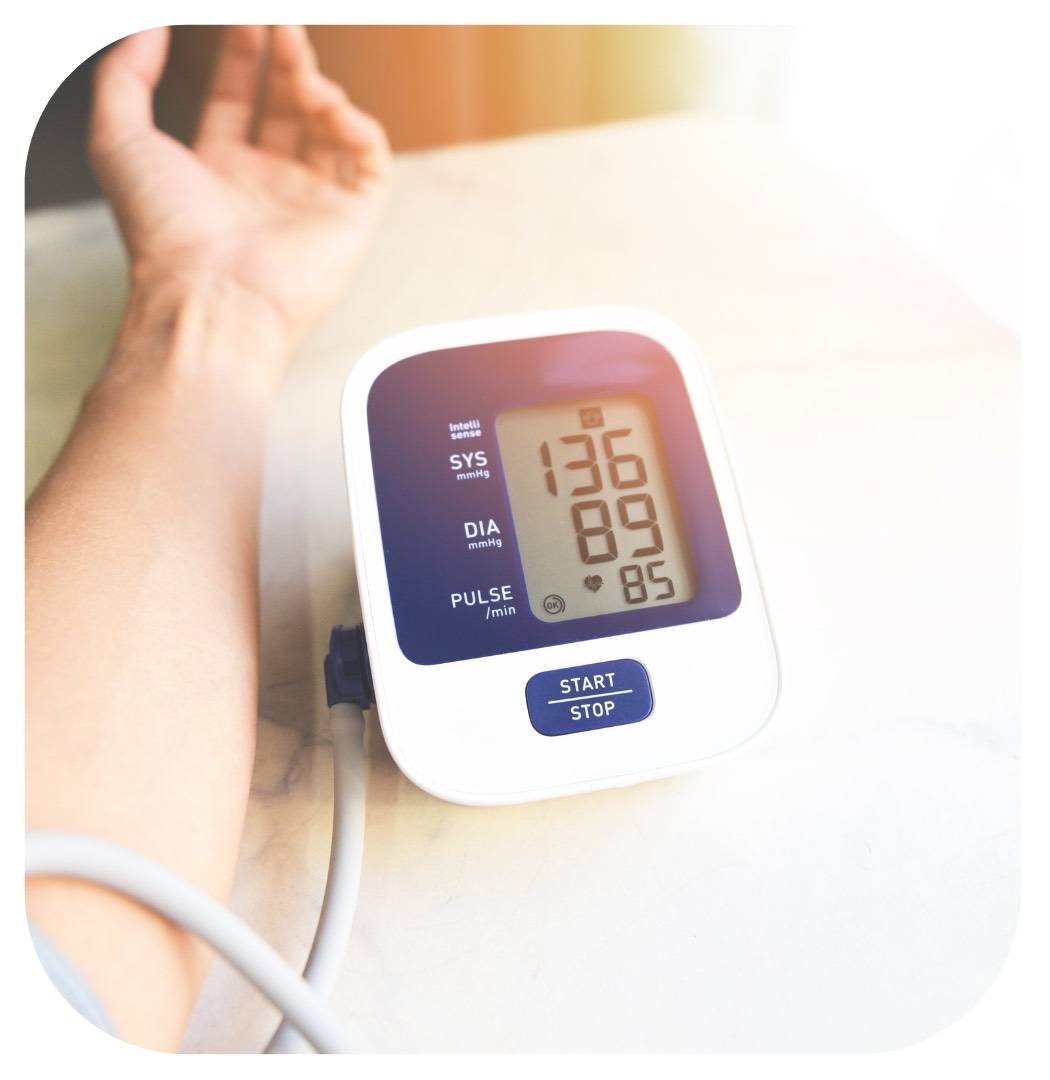
Automatic blood pressure monitors measure systolic and diastolic blood pressure and pulse rate. Upper arm models provide straightforward home monitoring when the cuff fits correctly and the user follows the recommended positioning.
Pulse pulse oximeters measure blood oxygen saturation and pulse rate through a fingertip sensor. They give a quick reading and are easy to carry between home, appointments and community activities.
Home readings do not diagnose a condition or replace medical assessment. Follow the monitoring schedule and target ranges set by your doctor, nurse or pharmacist.
Stroke Recovery
Stroke recovery products address changes in strength, balance, coordination, movement and energy. The right aids make personal care, transfers and prescribed exercises easier to complete.
Bathroom Aids such as shower chairs, over toilet frames, raised toilet frames and grab rails improve stability during washing and toileting. Transfer aids reduce the effort involved in moving between beds, chairs and other surfaces.
Daily Living Aids help with dressing, reaching, eating and other routines when one side of the body has been affected. Walking Aids provide additional support where balance and lower limb strength have changed.
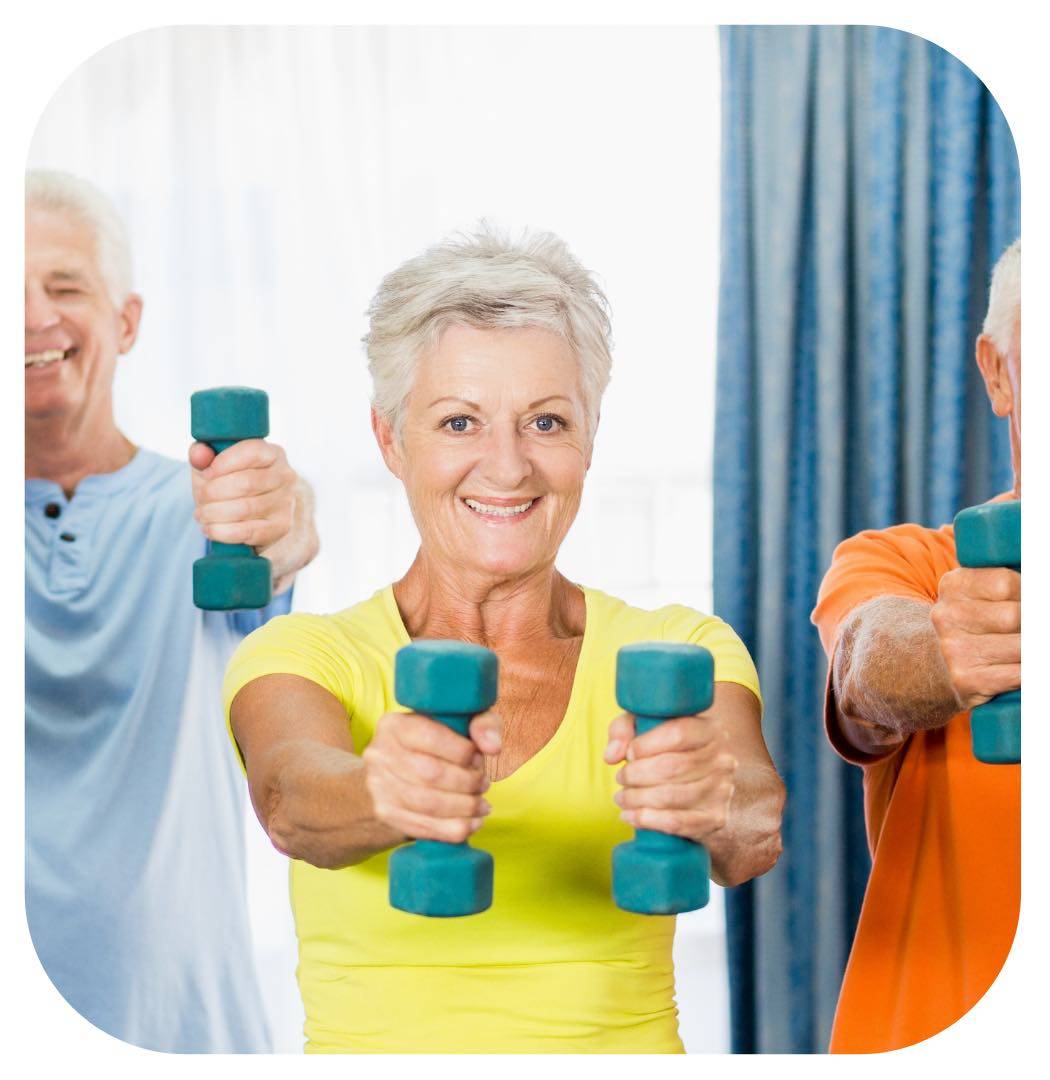
Rehabilitation equipment such as overhead pulleys supports controlled shoulder and arm exercises prescribed by a physiotherapist or occupational therapist.
Who can benefit from these products?
Monitoring Devices suit people who have been asked to record blood pressure, pulse rate or oxygen saturation at home. They also help carers keep organised records from their clients for medical appointments.
Stroke Recovery products suit people returning home after a stroke, living with ongoing physical changes or completing a rehabilitation programme.
Family members, carers, NDIS participants, physiotherapists and occupational therapists also use this category to find practical equipment for home routines and recovery goals.
NDIS and heart and stroke support
Some stroke recovery aids are NDIS eligible when they relate directly to an eligible participant’s disability, functional needs and approved plan goals.
Relevant products can include Daily Living Aids, Bathroom Aids, Walking Aids, transfer equipment and rehabilitation products that improve independence, safety or participation.
General health monitoring and treatment products are not automatically funded. Eligibility depends on the participant’s disability, plan and support needs.
BetterCareMarket is a Registered NDIS Provider. Speak with your occupational therapist, support coordinator or plan manager before ordering when you need confirmation about product suitability or funding.
Takeaway
Choose Monitoring Devices for clear home health records and Stroke Recovery aids for safer movement, personal care and rehabilitation. Match every product to the person’s current needs and care plan.