




Mobility AidsMobility Aids for Safer Movement & Everyday Independence
Find Walking Aids, wheelchairs, scooters and home mobility support for safer movement at home and in the community.

Mobility Aids Australia for Safer Walking, Travel and Daily Independence
Moving safely through your home, garden or community can become harder after injury, surgery, illness, disability or age related changes. The right mobility support can make everyday tasks feel more manageable, from standing up and walking short distances to travelling further with confidence.
Our Mobility range brings together Walking Aids, rollators, walking frames, crutches, wheelchairs, electric wheelchairs, mobility scooters, ramps, rails and transfer aids. These products are designed for seniors, carers, NDIS participants, people with disability and anyone who needs extra support to stay active, comfortable and independent.
How to choose the right Mobility Aid
- If you need light balance support for short walks, look for a walking stick, folding cane or quad cane.
- If you need to rest while walking, look for a rollator with a seat, brakes and storage bag.
- If you need support through your arms rather than your hands, look for forearm crutches or ergonomic elbow crutches.
- If you need help over longer distances, look for a wheelchair, electric wheelchair or mobility scooter.
- If you want powered support but still need a compact option, look for folding electric wheelchairs or auto folding mobility scooters.
- If you need help standing, transferring or getting up from the floor, look for transfer aids, stand assist frames or patient lifting chairs.
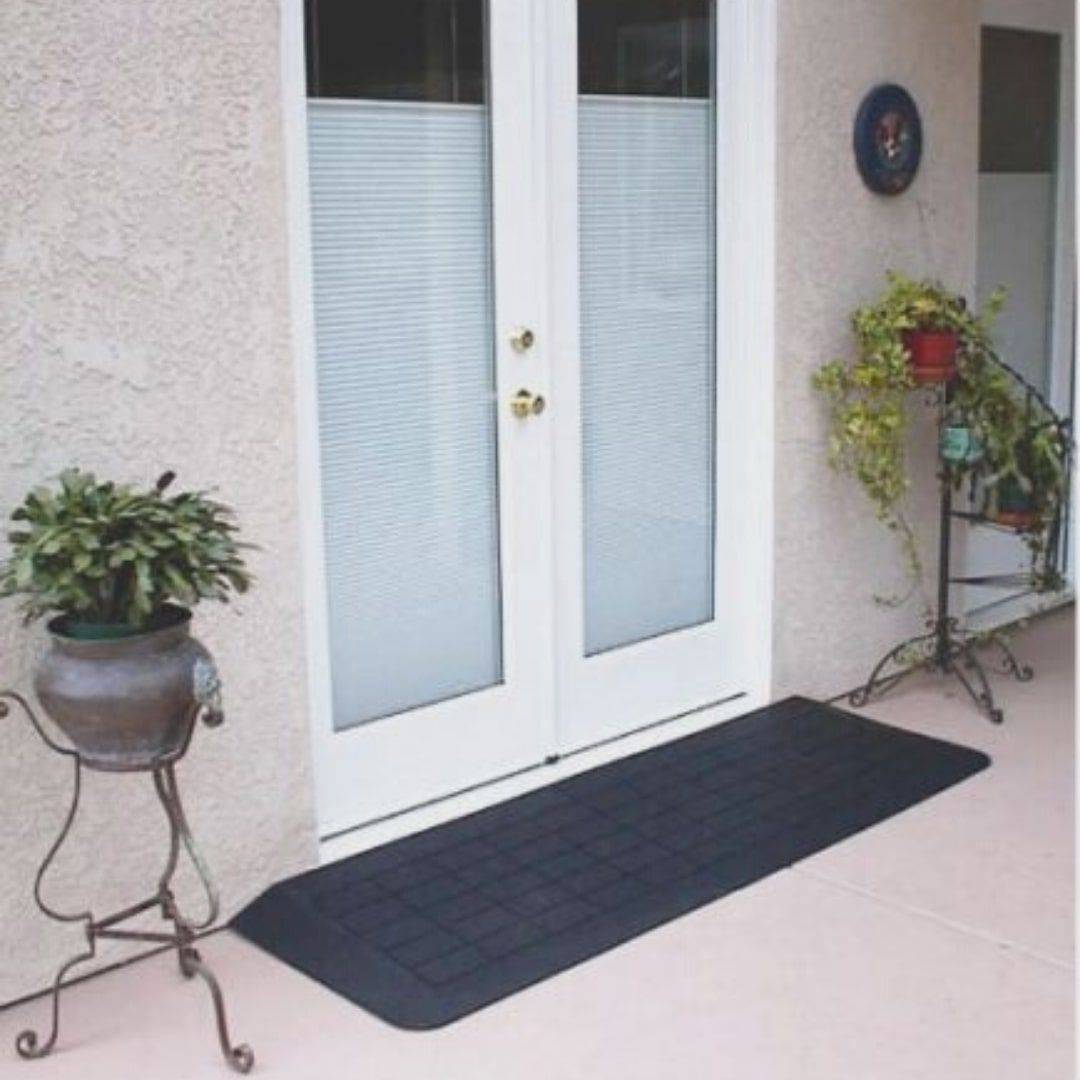
- If you need safer access at home, look for ramps, grab rails, bed rails and threshold support.
- If the user is a child or needs higher weight support, look for paediatric or bariatric mobility options with suitable sizing and weight capacity.
Mobility Aids Product Guide
Walking sticks and canes
Walking sticks and canes are often used when you need light balance support. Folding canes suit travel and storage, while quad canes offer a wider bases for extra steadiness. Look for canes with an ergonomic grip to help your hand cope with carrying the weight of balancing. Sticks and canes are a simple option for people who still walk independently but want extra reassurance.
Crutches and forearm crutches
Crutches provide more support than a walking stick and are often used after injury, surgery or when one leg needs reduced weight bearing. Forearm crutches, elbow crutches and Rebotec shock absorbing crutches may suit people who need stronger upper body support or a more comfortable grip.
Walking frames and wheeled walkers
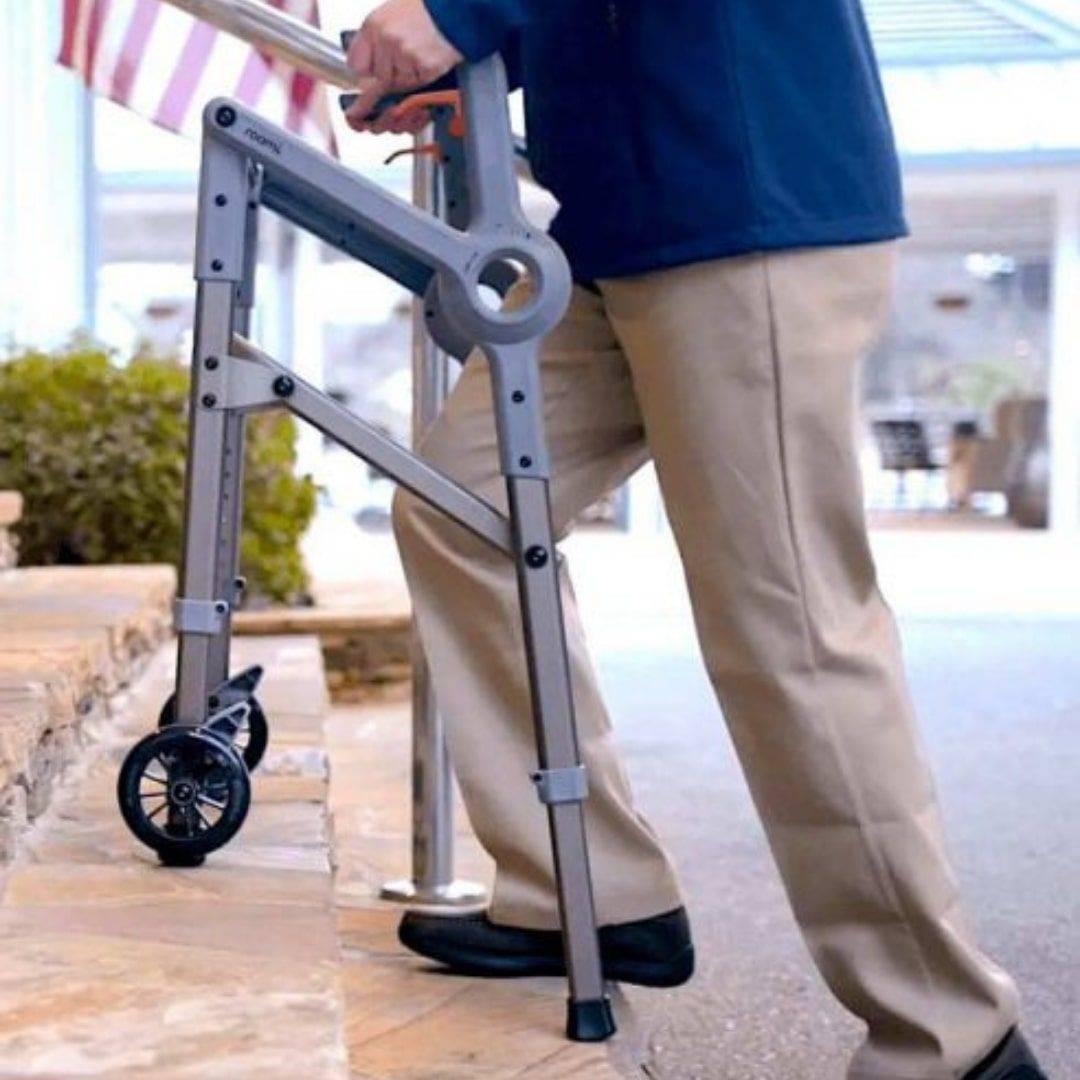
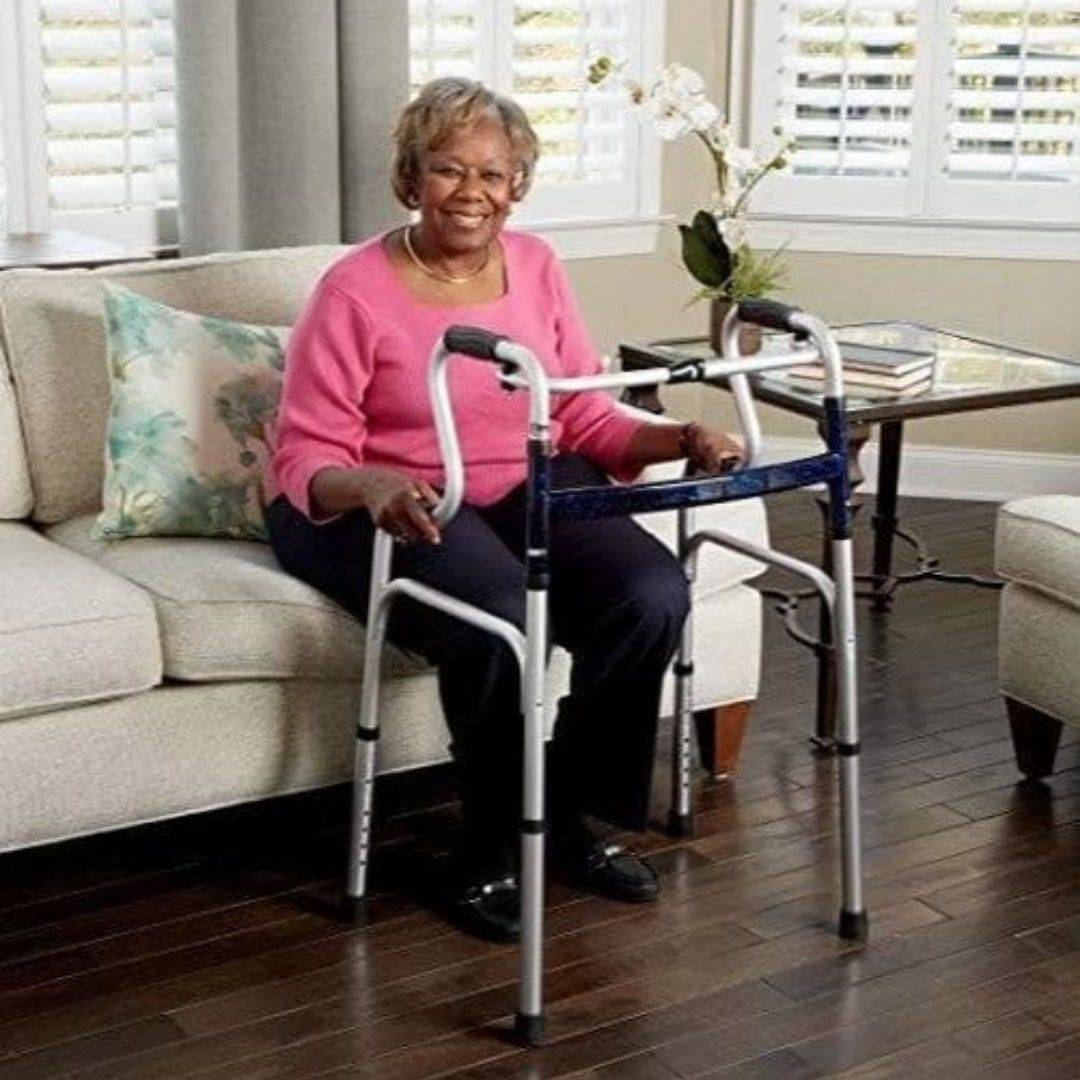
Walking frames and wheeled walkers give extra stability for moving around the home or short outdoor distances. Some models are lightweight and foldable, while others include wheels, glides or stand assist features to make movement easier.
Rollators and tri walkers
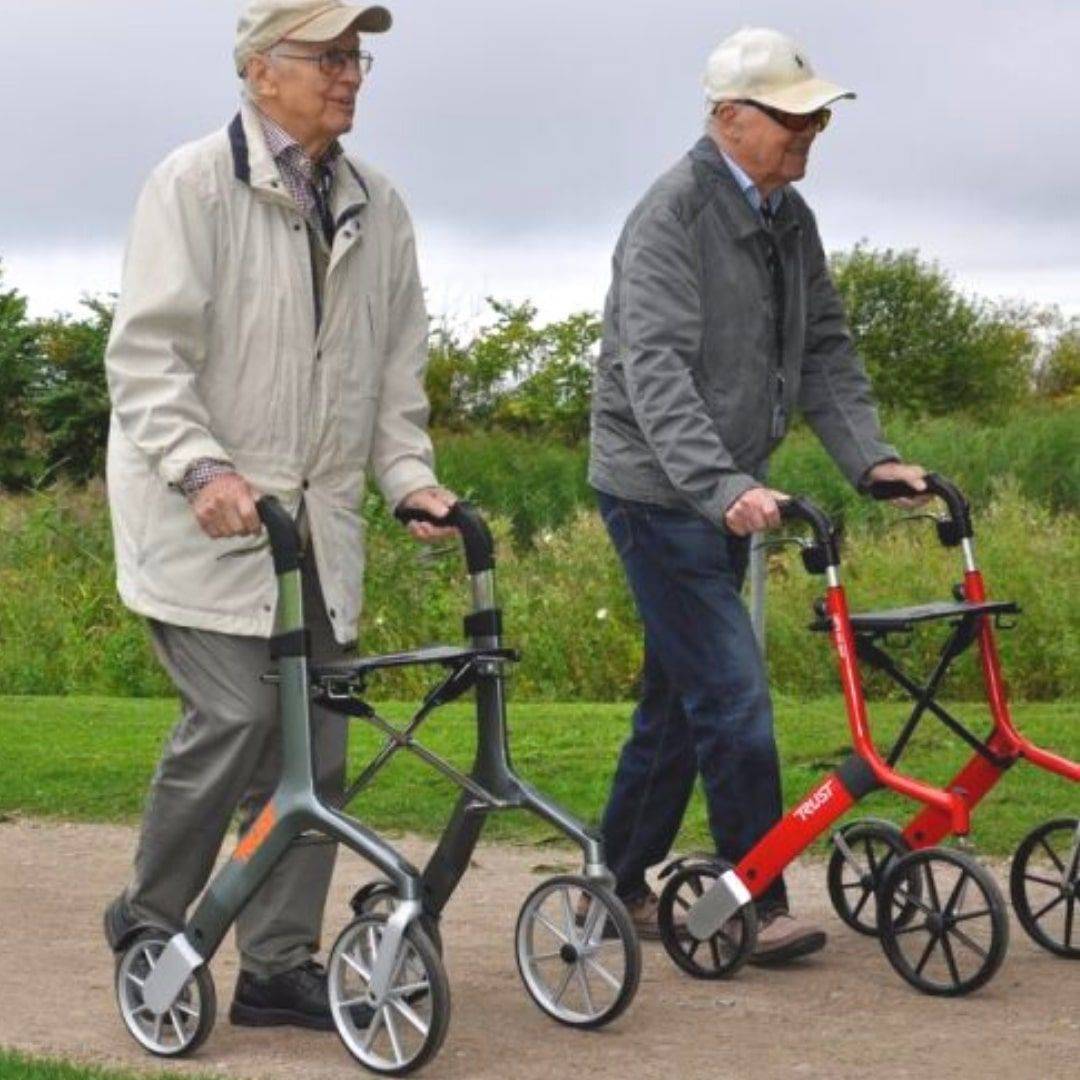
Rollators are wheeled walking aids with handles, brakes and often a seat or storage bag. They suit people who need support while walking but still want to move smoothly through shops, paths or community spaces. Tri walkers are usually narrower and easier to turn in tighter spaces.
Wheelchairs and wheelchair accessories
Manual wheelchairs support people who cannot walk long distances or need seated mobility during outings, appointments or daily routines. Accessories such as wheelchair bags, side bags and headrests can make use more practical and comfortable.
Folding electric wheelchairs
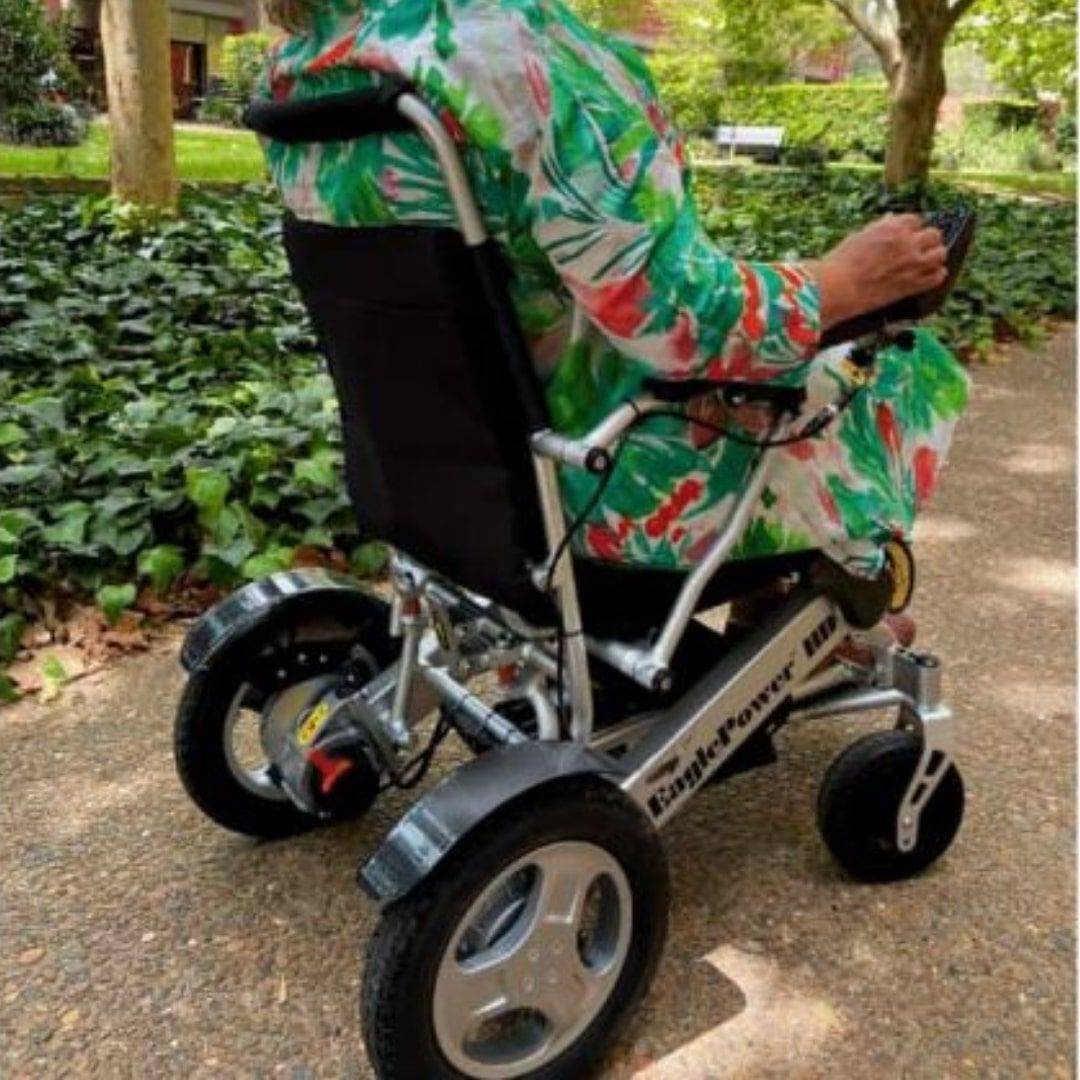
Folding electric wheelchairs are powered mobility options for people who need more independence over longer distances. They can suit travel, shopping, community access and daily use, depending on the model, terrain, battery range and user needs.
Mobility scooters
Mobility scooters are suited to people who can sit upright, steer safely and transfer on and off the scooter. They are often used for outdoor trips, shopping centres, neighbourhood travel and community activities. Folding and auto folding models are useful when storage or transport space is limited.
Transfer aids and patient lifting chairs
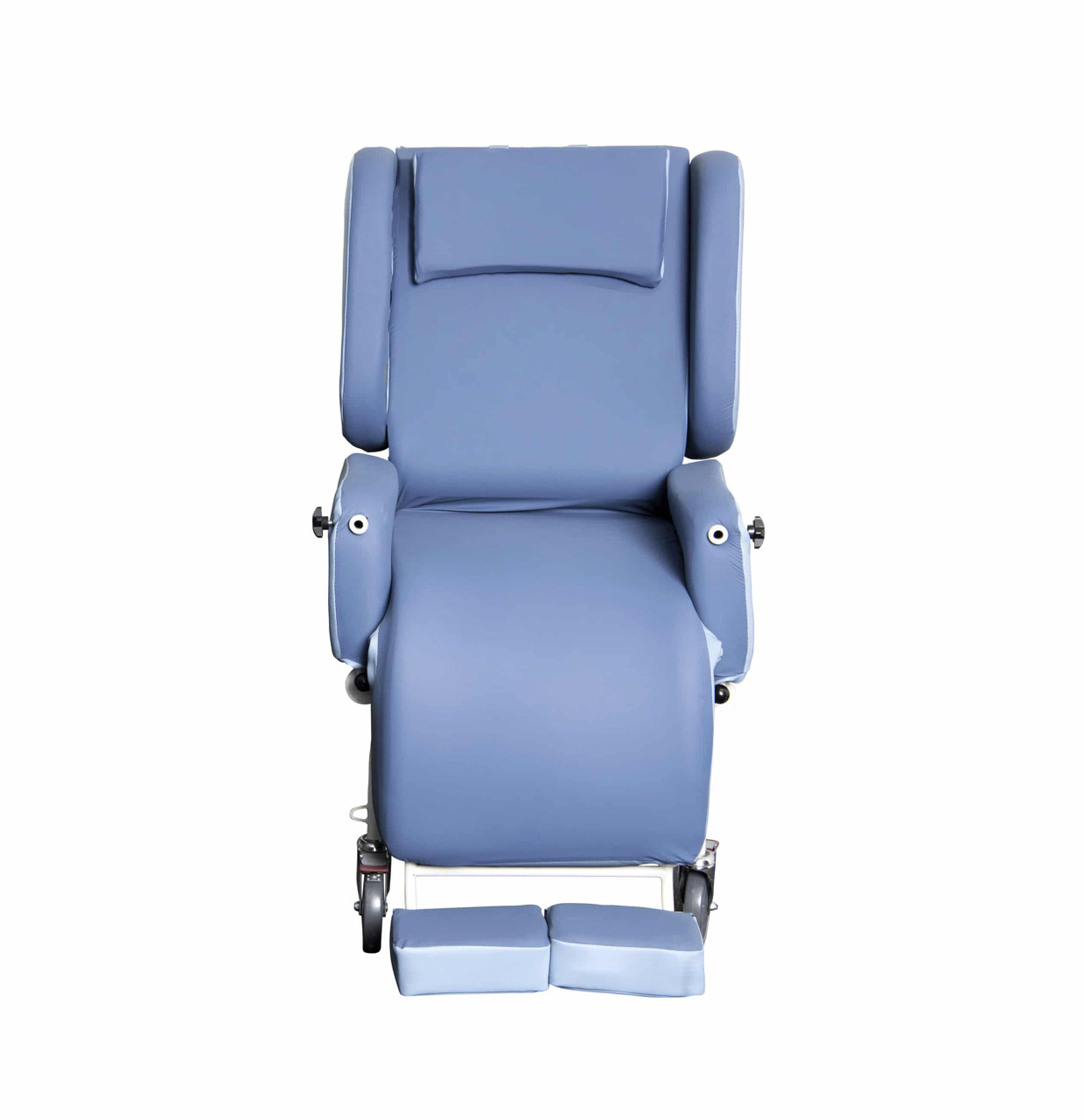
Transfer aids support safer movement from one position to another, such as standing from a chair, getting out of bed or recovering after a fall. These products can also help carers reduce strain during daily support tasks.
Ramps, rails and home access support
Ramps, grab rails and bed rails help reduce everyday access barriers around the home. They may be useful near steps, beds, bathrooms, doorways or other areas where balance and transfers feel harder. Some products overlap with Bathroom Aids and Daily Living Aids.
Paediatric and bariatric mobility support
Children and larger users often need mobility products made for specific body size, posture and weight capacity. Paediatric walkers, child mobility aids, bariatric chairs, bariatric power wheelchairs and heavy duty crutches help provide better fit and safer support.
Who can benefit from this category?
Mobility Aids may be useful for people who feel unsteady, tire easily, need support after surgery, manage a disability or want to stay active with less strain. They can also help carers support safer routines at home and in the community.
This category may suit seniors, NDIS participants, people recovering from injury, people with neurological conditions, people with arthritis, people living with reduced strength or balance and anyone who needs extra support with daily movement.
NDIS and independent living note
Mobility Aids may relate to daily living goals, therapy goals, home access, community participation and safer independence. Some products may be NDIS eligible when they are considered reasonable and necessary for your plan goals.
BetterCareMarket is a Registered NDIS Provider. Funding approval is not automatic, so it is best to check with your support coordinator, occupational therapist or plan manager if you are unsure which product suits your needs or funding category.
Takeaway
The right Mobility Aid should fit your body, your home and your daily routine, so you can move with more confidence every day.