



Parkinson’s & Dystonia Dining and Cooking Aids
Eating, drinking and kitchen aids for tremors, weak grip, one handed use and safer daily meal routines.
Parkinson’s Dining & Cooking Aids for Tremors
Parkinson’s disease and dystonia can make eating, drinking and preparing food more difficult than expected. Hand tremors, muscle spasms, reduced grip strength, slow movement and poor coordination can turn simple tasks into frustrating daily challenges.
BetterCareMarket’s Parkinson’s & Dystonia Dining and Cooking range includes stabilising cutlery, weighted cutlery, scoop plates, plate guards, sippy cups, cup stabilisers, kettle tippers, jar openers, can openers and food preparation boards. These Daily Living Aids and Independent Living Aids are designed to support safer, calmer and more independent mealtimes.
Whether you are shopping for yourself, a loved one, a client or an NDIS participant, this category helps you compare practical eating and cooking aids for tremors, one-handed use, weak grip and reduced hand control.
How to choose the right product
- If food falls off the spoon, look for a stabilising spoon, weighted cutlery or bendable cutlery.
- If food slips around the plate, look for a scoop plate, deep bowl, suction base or plate guard.
- If drinking causes spills, look for a sippy cup, cup stabiliser or easy grip drinking aid.
- If opening jars, bottles or cans is difficult, look for one touch openers, multi openers, jar grips or bottle openers.
- If pouring hot drinks feels unsafe, look for a kettle tipper that supports controlled pouring.
- If meal prep is difficult with one hand, look for a food preparation board with grip points, raised edges or clamps.
- If grip changes during the day, choose products that reduce effort rather than relying on hand strength alone.
Stabilising and Tremor Cutlery
Stabilising cutlery come in handy when tremors make it hard to keep food on a spoon or fork. The ELISpoon Stabilising Spoon uses active stabilisation to help keep the spoon level while the hand moves, making meals feel less stressful and more controlled.
Weighted cutlery, bendable cutlery and tremor dining kits can also support people with Parkinson’s, dystonia, essential tremor, stroke recovery or reduced hand coordination. Some users prefer extra weight for steadiness, while others need an angled or bendable handle to reduce wrist strain.
The right cutlery should feel comfortable to hold and match the person’s grip, tremor pattern and meal routine.
Drinking Aids and Cup Stabilisers
Spills can make drinking feel embarrassing, tiring or unsafe when tremors or poor coordination are present. Drinking aids such as the SpillNot Cup Stabiliser and Etac Tasty Beaker Sippy Cup are designed to make hydration easier at home or while out.
The SpillNot Cup Stabiliser helps keep a cup or mug steadier while being carried. A sippy cup with a spout can reduce spills and allow slower, more controlled sipping.
These aids are great for people with Parkinson’s, dystonia, weak grip, hand tremors or limited arm control. They also support carers during meals and drinks.
Scoop Plates, Bowls and Plate Guards
Scoop plates, deep bowls and plate guards are designed for when food slips off the plate or one-handed eating is difficult. Raised edges guide food onto the spoon or fork, while suction bases keep plates more stable on the table.
Products such as scoop plates, scoop bowls, food plate guards, deep dished plates and contoured plates support people with tremors, reduced hand control, stroke recovery, limited coordination or weakness on one side of the body.
These dining aids are simple, practical and often make mealtimes feel less messy, less rushed and more independent.
Jar, Bottle and Can Openers
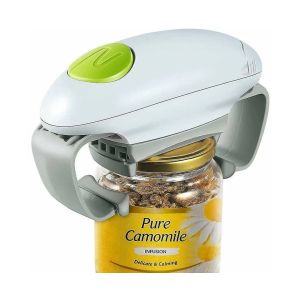
Opening jars, bottles and cans can be difficult when Parkinson’s or dystonia affects grip, strength or fine motor control. Electric jar openers, one-touch can openers, bottle openers, multi openers and jar grips reduce the twisting, squeezing and force needed in the kitchen.
Options such as the One Touch Can Opener, Belliclamp Jar and Bottle Opener and 6-in-1 Multi Opener are useful for people who want to keep preparing meals with less strain.
These kitchen aids are also very helpful for arthritis, hand weakness, tremors and carers supporting safer food preparation.
Kettle Tippers and Hot Drink Safety
Pouring a kettle can be risky when hands shake, grip is weak or lifting feels unsafe. A kettle tipper holds the kettle in place and allows it to be tilted with less effort, reducing the risk of spills, burns and strain.
The Cordless Kettle Tipper by Homecraft supports people who want to make tea, coffee or warm drinks with greater control. It works well for Parkinson’s, dystonia, arthritis, reduced wrist strength or one-handed use.
For many people, a kettle tipper is a small kitchen change that supports routine, independence and safety.
Food Preparation Boards
Food preparation boards are designed to make chopping, spreading, slicing and holding food easier when one hand is weaker or coordination is reduced. They include raised edges, spikes, clamps or non-slip surfaces to keep food steady in place.
The Etac Food Preparation Board is often used in support of people with Parkinson’s, dystonia, tremors, stroke recovery or limited hand function. It simply makes everyday meal preparation feel more manageable and reduce the need for constant assistance.
When choosing a preparation board, consider whether the user needs one-handed support, stronger grip assistance, non-slip stability or to keep food in place while cutting.
Who can benefit from this category?
These dining and cooking aids can support people with Parkinson’s disease, dystonia, essential tremor, stroke recovery, arthritis, weak grip or reduced hand control. They can also help people who fatigue quickly during meals or need one handed eating and cooking support.
They are also practical for carers, occupational therapists, support workers and family members who want to make meals safer, calmer and more independent.
The NDIS and Dining and Cooking Aids
Some Parkinson’s and dystonia dining aids are suitable under NDIS Consumables or Assistive Technology if they relate to daily living goals and disability support needs. This may include selected adapted cutlery, stabilising spoons, cup stabilisers, scoop plates, kettle tippers, food preparation boards and other Independent Living Aids.
BetterCareMarket is a Registered NDIS Provider and supports NDIS participants, carers, occupational therapists, support coordinators and plan managers with practical Daily Living Aids for home use.
Before ordering with NDIS funding, check your plan, funding category and payment process to confirm suitability.
Takeaway
The right dining and cooking aids can make meals feel steadier, safer and easier to enjoy every day.