



Parkinson’s & Dystonia Safety at Home Aids
Bathroom, bedroom and daily living aids to help with safer movement, clearer routines and easier care at home.
Parkinson’s & Dystonia Safety at Home, Bathroom and Bedroom
Parkinson’s disease and dystonia can affect balance, movement, posture, coordination and confidence at home. Simple routines such as getting out of bed, using the toilet, showering, walking to another room or remembering daily tasks can become harder when symptoms change.
BetterCareMarket’s Parkinson’s & Dystonia Safety at Home range includes Bathroom Aids, toilet supports, bed rails, Wonder Sheets, dementia clocks, video phones, orientation signs, motion monitors, ramps, bath boards, shower stools, perching stools and bed wedges.
These Daily Living Aids and Independent Living Aids are designed to reduce strain, support safer movement and help people stay more independent at home. They can also make everyday care easier for family members, carers and support workers.
How to choose the right product
- If sitting down or standing from the toilet is difficult, look for a raised toilet seat, toilet surround or raised toilet seat cushion.
- If showering feels tiring or unsteady, look for a shower stool with armrests, bath board or bath safety rail.
- If turning in bed is hard, look for a Wonder Sheet that reduces friction during repositioning.
- If sitting up or getting comfortable in bed is the issue, look for bed wedges or side wedges.
- If washing hair is difficult, look for an inflatable shampoo basin that can be used while seated or in bed.
- If standing for kitchen or household tasks causes fatigue, look for a perching stool.
- If memory, time or room recognition is becoming difficult, look for dementia clocks, door stickers, stop signs or orientation signs.
- If regular check-ins are needed, look for a simple video phone designed for seniors and carers.
Bathroom and Toilet Safety
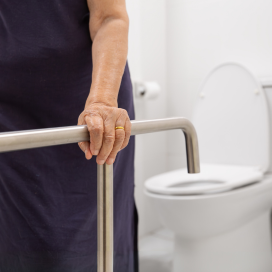
The bathroom is often one of the highest-risk areas in the home when balance, stiffness or sudden movement changes are present. Raised toilet seats, toilet surrounds, shower stools, bath boards and bath safety rails can make personal care safer and less tiring.
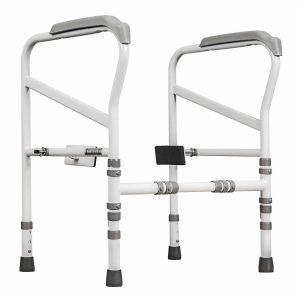
A raised toilet seat with armrests can reduce the effort needed to sit and stand. A toilet surround provides support on both sides, while a shower stool or bath board can help when standing in the shower or stepping into the bath feels unsafe.
These Bathroom Aids can support dignity, confidence and safer daily routines.
Bed Rails and Bed Mobility
Getting in and out of bed can be difficult when Parkinson’s or dystonia causes stiffness, tremors, weakness or reduced balance. A removable bed rail provides a secure point to hold, helping with transfers and reducing the risk of falls near the bed.
Wonder Sheets can make turning and repositioning easier by reducing friction across the centre of the bed. They may help people who feel stuck when rolling, shifting or getting comfortable at night.
Bed wedges and bedside wedges can also support positioning and comfort. Together, these products can make bedroom routines safer for users and less physically demanding for carers.
Orientation Signs and Dementia Clocks
Clear visual cues can make the home easier to navigate. Orientation signs, dementia door stickers and stop sign stickers can help label rooms, guide movement and reduce confusion for people living with Parkinson’s, dystonia, dementia or cognitive changes.
Dementia clocks and calendar reminder clocks can support daily structure by showing the time, day, date and personalised reminders. This may help with meals, medication, appointments and routine tasks.
These simple memory and orientation aids can reduce repeated questions, support confidence and make the home feel more predictable.
Video Phones and Motion Monitoring
Staying connected is important when someone lives alone or needs regular check-ins. A senior-friendly video phone such as CareWindow can make video calls easier by removing complicated menus and small button.
Family members and carers can use video calls to provide reassurance, check wellbeing and maintain social connection throughout the day. A room motion monitor may also help carers notice movement patterns or activity changes within the home.
These products do not replace supervision or emergency care, but they can add another layer of connection and peace of mind.
Seating and Perching Support
Perching stools can help when standing for long periods causes fatigue, pain or unsteadiness. A perching kitchen stool allows the person to sit at a higher angle while preparing food, washing at a basin or completing light household tasks.
This can be useful for people with Parkinson’s or dystonia who want to keep doing daily activities but need to reduce standing strain. Shower stools with armrests can also provide seated support during personal care.
The right stool should match the user’s height, balance, task and room layout.
Washing and Personal Care Aids
Washing hair, bathing and personal care can become difficult when movement is restricted or fatigue is high. Products such as an inflatable shampoo basin, bath board, shower stool and long bathroom supports can make these routines easier to manage at home.
A bath board can create a seated transfer point over the bath, while a shower stool helps reduce standing time. An inflatable shampoo basin can support hair washing in bed or while seated.
These aids can help protect privacy and comfort while reducing strain on carers.
Ramps and Safer Home Access
Small steps, raised thresholds and uneven entrances can become barriers when mobility changes.
A wheelchair or scooter rubber ramp can improve access for mobility aids, walkers or safer foot placement around the home.
Ramps may help people with Parkinson’s or dystonia move more confidently between rooms, through doorways or over minor height changes. They can also support carers who assist with mobility equipment.
The correct ramp depends on the height, available space, weight capacity and type of mobility aid being used. For complex access needs, an occupational therapist can help assess the home.
Who can benefit from this category?
These products may help people with Parkinson’s disease, dystonia, dementia, movement changes, reduced balance, stiffness, fatigue or memory changes. They can also support people who need more confidence with bathroom routines, bedroom movement or daily tasks at home.
They are also useful for carers, family members, occupational therapists and support workers who want to reduce risk, make routines smoother and support independence where possible.
NDIS and Safety at Home Products for Parkinson's
Safety at home products may relate to personal care, daily living, home participation, carer support and independent living goals. Some items may be considered NDIS Consumables or Assistive Technology when they support disability related needs and fit your plan.
BetterCareMarket is a Registered NDIS Provider. Funding is not automatic, so check with your plan manager, support coordinator, occupational therapist or healthcare professional if you are unsure which aids match your goals.
Takeaway
The right home safety aids can make everyday routines feel steadier, clearer and easier to manage at home.