




Parkinson's & Dystonia Aids for Everyday Living
Find practical aids for eating, communication, home safety and daily routines for people living with Parkinson's disease or dystonia.


Parkinson's & Dystonia Aids for Everyday Living Australia
Parkinson's disease and dystonia can affect movement, coordination, speech, balance and muscle control. Everyday tasks such as eating, walking, getting out of bed or holding a conversation often require extra effort.
This category brings together practical solutions for dining and cooking, safety at home, assistive devices and voice amplification. Browse each section to find products that match the daily activities you want to make easier.
How to choose the right product
Start with the daily activity that has become most challenging.
- If eating, drinking or preparing meals has become difficult because of tremors or reduced hand control, explore Dining & Cooking.
- If balance, transfers or moving around the home feels less secure, browse Safety at Home.
- If you need practical equipment that makes everyday routines easier, choose Assistive Devices.
- If your voice has become quieter or harder for others to hear, visit Voice Amplifiers.
Many people use products from more than one category as their needs change over time. Choose products that fit your current abilities, home environment and daily routines.
Dining & Cooking
Tremors, stiffness and reduced hand coordination can make mealtimes frustrating. Dining products improve grip, increase stability and reduce spills, helping make eating and drinking easier and more comfortable.
This section includes adapted cutlery, a stabilising spoon for people with tremors, SpillNot cup stabilisers and other practical dining aids that encourage greater independence during meals.
Safety at Home
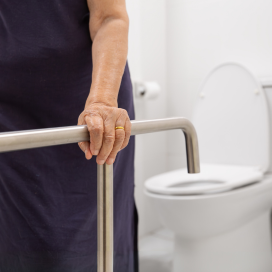
Changes in balance, walking and movement increase the risk of falls around the home. Safety products improve stability during transfers, showering, toileting and moving between rooms.
This category includes adjustable bed rails, Bathroom Aids, grab rails and other equipment that creates a safer living environment while supporting independent daily routines. And also orientation signs for safely moving around in house.
Daily Living Aids
Daily living aids reduce the effort required for common everyday activities. They simplify dressing, reaching, transferring and household tasks when strength, coordination or movement has changed, or faciltate movement in bed with the wonder bedsheets.
Many of these products are also classified as Independent Living Aids and are designed to help people remain active at home and in the community.
Voice Amplifiers
Parkinson's disease and some forms of dystonia can reduce speaking volume, making conversations difficult in busy environments.
A voice amplifier increases the volume of your natural voice without requiring extra vocal effort. It supports clearer communication at home, during appointments, in social settings and throughout the community.
Who can benefit from this category?
This category is suitable for people living with Parkinson's disease, dystonia and other neurological conditions that affect movement, muscle control or speech.
It also supports family members, carers, occupational therapists, speech pathologists and physiotherapists looking for practical products that improve everyday routines, communication and home safety.
As symptoms change over time, equipment should be reviewed regularly to ensure it continues to meet the person's needs.
NDIS and Parkinson's & Dystonia support
Some Parkinson's and dystonia aids are NDIS eligible when they relate directly to an eligible participant's disability, functional needs and approved plan goals.
Relevant products can include Daily Living Aids, Independent Living Aids, Bathroom Aids, communication equipment and assistive technology that improve independence, safety and participation.
BetterCareMarket is a Registered NDIS Provider. Speak with your occupational therapist, speech pathologist, support coordinator or plan manager if you need guidance on selecting suitable products or confirming funding.
Takeaway
Choose products that make everyday activities simpler, safer and less tiring. Small changes in communication, dining and home safety often make a meaningful difference to everyday independence.