Estimated Read Time: 7–8 minutes
Quick Summary
Autumn brings beautiful scenery—but also a spike in asthma and allergy symptoms due to colder air, high pollen levels, mould, and dust mites. This blog explains why asthma gets worse in autumn, how to identify your allergy and asthma triggers, and practical strategies to minimise exposure to common allergens like pollen, dust mites, and mould.
You’ll also discover natural remedies for asthma and allergic rhinitis, such as low-level laser therapy, ultrasonic vaporisers, and essential oils. Plus, find advice on lifestyle habits, hygiene, and when to consult your GP.
We also recommend top products that help ease allergy symptoms and boost respiratory health—especially important for those managing asthma or allergic rhinitis in autumn.
Frequently Asked Questions Answered in the Blog
-
Why is asthma worse in autumn?
-
What causes allergies to flare up in the fall?
-
How can I prevent asthma attacks during cold weather?
-
What are natural ways to treat allergies?
-
How do I reduce mould and dust mites in my home?
-
What are the best home remedies for hay fever?
-
Should I use essential oils or a vaporiser for allergy relief?
-
How can I tell what my asthma triggers are?
-
What is allergic rhinitis and how is it treated?
Autumn is a beautiful season with its changing colours and crisp air. However, for people with asthma and allergies, it can also be a challenging season. As the weather becomes cooler and the leaves start to fall, there are many allergens in the air that can trigger asthma flare-ups and allergic reactions, such as clogged sinuses, watery eyes, facial pain, and constant sniffles and sneezes.
In this blog, we will explore some practical tips for controlling asthma and allergies in autumn.
Why is Asthma Worse in Fall?
After the summer months have passed, fall tends to bring in cooler, drier air. Sadly, for those with allergic asthma, these conditions often signal worsening breathing difficulties. Cold dry air can irritate the sensitive respiratory system, which leads to tightening of the muscles around the airways, potentially leading to asthma attacks.
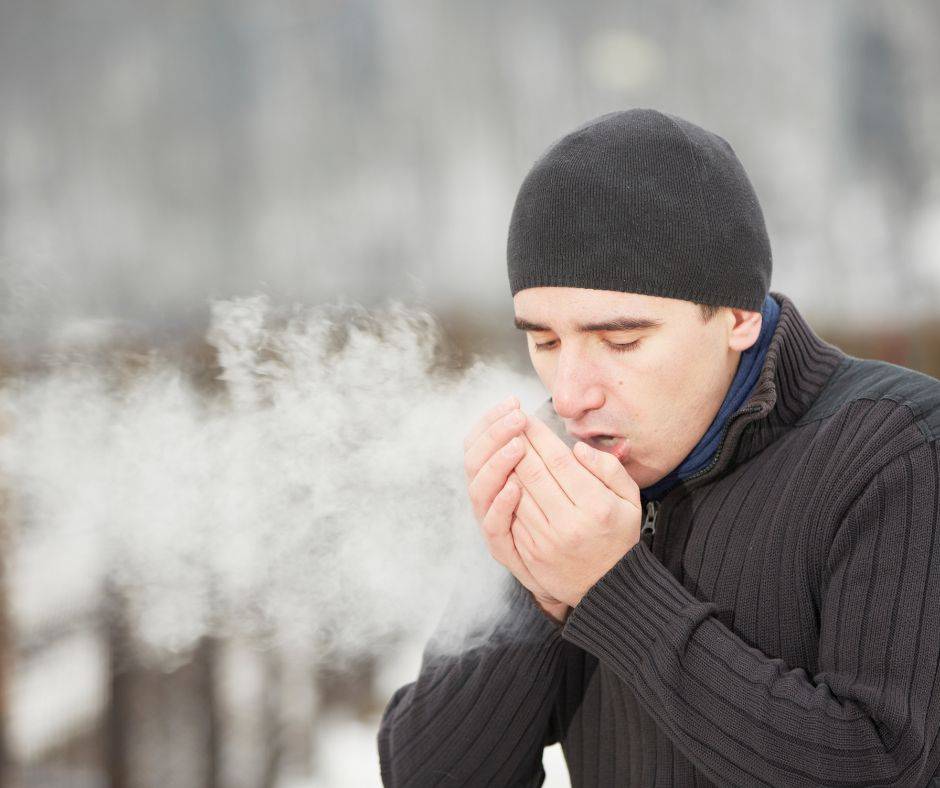
Allergies refer to the body's immune system's overreaction to a foreign substance, which it perceives as dangerous and harmful and can cause allergies. When a person with asthma comes into contact with an allergen, their immune system overreacts and fights off the allergen. It then releases histamine causing runny or itchy nose, sneezing, watery eyes, coughing, wheezing, chest pain. For certain individuals this might also affect their lungs and airways due to the production of mucus and the swelling of the airways.
This can lead to an asthma attack, which can be life-threatening in severe cases.
How to Avoid Asthma and Allergy Triggers?
To control your allergies and asthma, you need to understand what your triggers are.
Once you understand your triggers, you can take steps to avoid them.
Exposure to environmental allergens such as dust mites, mould, or pet dander can trigger asthma symptoms in some people. When these allergens are present in high amounts, they can cause inflammation and narrowing of the airways.
1- Reduce Exposure to Pollen
Pollen is one of the most common triggers for asthma and allergies in autumn. If you are sensitive to pollen, try to reduce your exposure by staying indoors during high pollen count days.
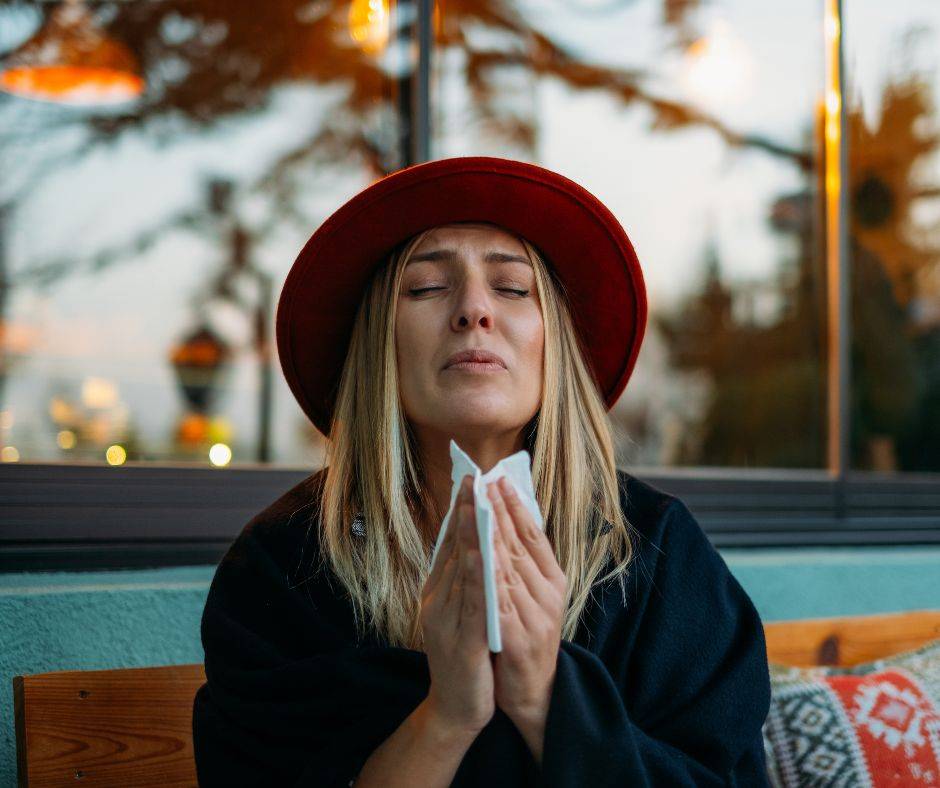
You can check the pollen count in your area on the website from Asthma Australia. You can also keep your windows and doors closed during the day and use air conditioning to keep your home cool.
When you do go outside, wear a hat and sunglasses to keep pollen out of your eyes and a mask to reduce inhalation of pollen.
2. Reduce Exposure to Dust Mites
Dust mites are tiny insects that can trigger asthma and allergies. They thrive in warm and humid environments, making autumn a particularly problematic season for people who are allergic to them.
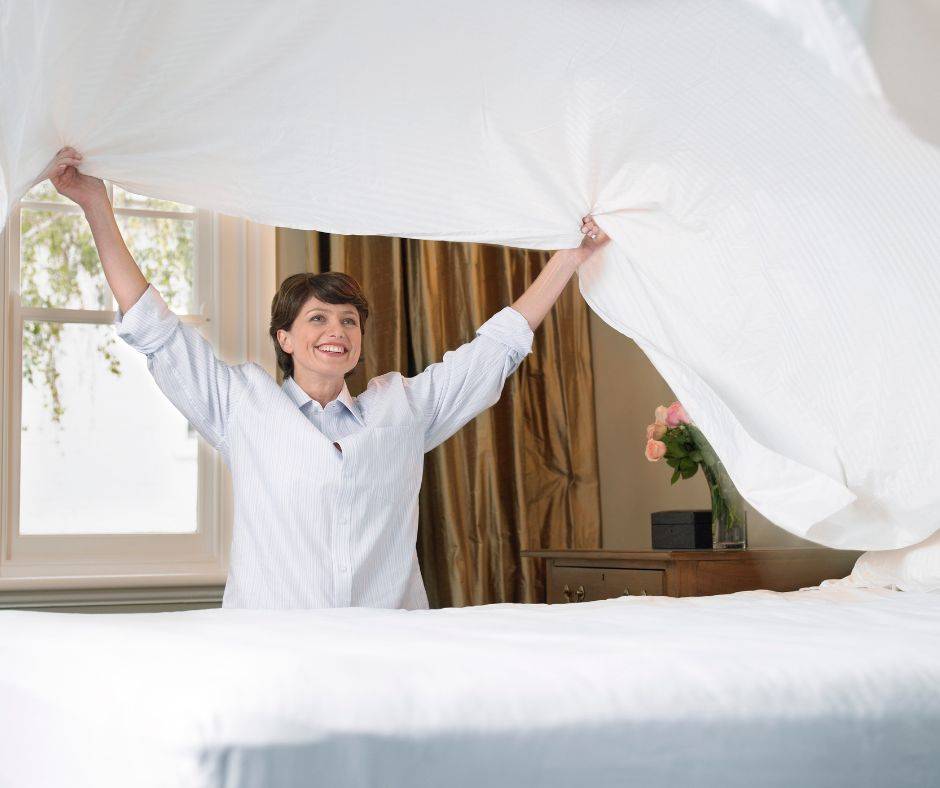
To reduce your exposure to dust mites, wash your sheets at 65 degrees once a week, and use allergen-proof covers on your pillows and mattresses. Vacuum your carpets and rugs regularly, and use a HEPA filter to trap dust mites and other allergens.
3. Manage mould exposure
Mould is another common trigger that’s a particular problem in fall and winter for asthma and allergies in autumn. It thrives in damp and humid environments, making autumn a particularly problematic season for people who are allergic to it.
To reduce your exposure to mould, keep your home dry and well-ventilated. Fix any leaks or water damage immediately and use a dehumidifier to reduce humidity levels in your home and keep mould growth at bay.
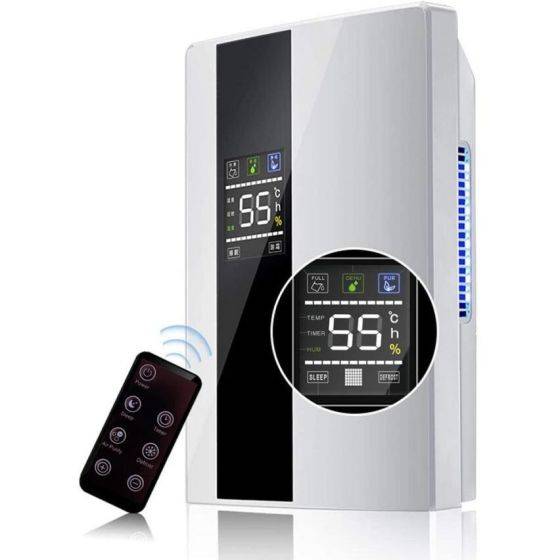
A tip: Clean any visible mould with a solution of water and bleach
4. Allergic rhinitis
Also known as hay fever, allergic rhinitis is a very common allergic condition that affects 1 in 5 Australian kids and adults. It causes inflammation of the nasal passages due to exposure to allergens. This inflammation can extend to the lower respiratory tract and even trigger asthma symptoms.
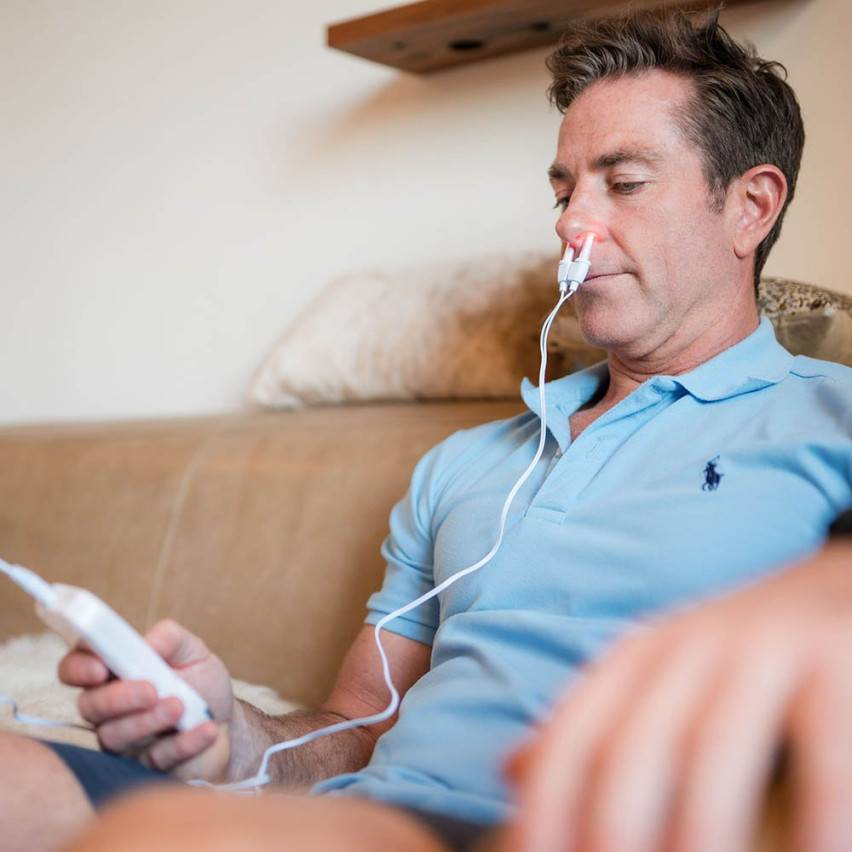
Try the innovative Hay Fever Relief & Allergy Treatment Device that uses low-level laser therapy to relieve allergy symptoms and sinus problems.
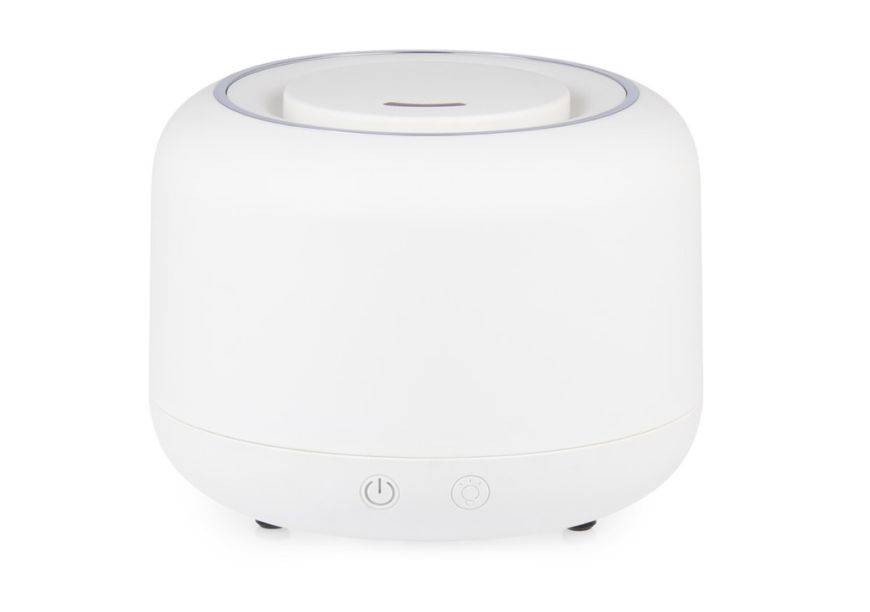
Or choose our Ultrasonic Vaporiser with special essential oil Hay Fever that helps strengthen your immune system and supports a healthy respiratory function. The aroma is dispersed as a fine mist in the air, so it can gently be absorbed by your airways.
How Can you Control your Allergies and Asthma?
Take medications as prescribed
If you have asthma or allergies, it is important to take your medications as prescribed by your doctor. Your doctor may prescribe medications such as inhalers, nasal sprays, or antihistamines to help control your allergy symptoms. It is important to take these medications regularly and as directed. If you are experiencing side effects or your symptoms are not improving, talk to your doctor.
Carry Your Inhaler
Make sure to carry your inhaler with you at all times. An asthma attack can occur suddenly and without warning, so it is important to be prepared. If you are traveling, bring enough medication with you and check with your doctor about any precautions you should take.

Practice Good Hygiene
Good hygiene can help reduce your exposure to allergens and prevent the spread of germs. Wash your hands frequently with soap and water, especially before eating or touching your face.
Avoid touching your eyes, nose, and mouth, as this can transfer germs and allergens to your body. Cover your mouth and nose with a tissue or your elbow when coughing or sneezing, and dispose of used tissues immediately.
Get Vaccinated
Autumn is flu season, and getting vaccinated can help prevent respiratory illnesses that can exacerbate asthma and allergies. The flu vaccine is especially recommended for people with asthma or other chronic conditions to prevent viral infections.
Talk to your GP about other vaccines or preventative measures that may be recommended for you. Getting vaccinations early in fall allows your immune system to ramp up the response to dangerous pathogens, providing you maximum protection.
Maintain a Healthy Lifestyle
Maintaining a healthy lifestyle can help control asthma and allergies. Eat a balanced diet rich in fruits, vegetables, and whole grains, and avoid foods that trigger your symptoms.

Exercise regularly, but avoid outdoor exercise during high pollen count days. Get enough rest and manage stress through techniques such as meditation or deep breathing.
Consult Your GP
If you are having difficulty controlling your asthma or allergies, consult your doctor. They may recommend additional tests or provide treatments to help manage your symptoms. They may also recommend allergy shots, which can help reduce your sensitivity to allergens over time.
How to Treat an Allergy Naturally?
To counteract the effect of the histamine produced by your body, you can try antihistamines, corticosteroids, and decongestants, as well as some over the counter allergy medications.
There are also natural ways to treat your allergy symptoms, that do not include taking medications, if your symptoms are mild.
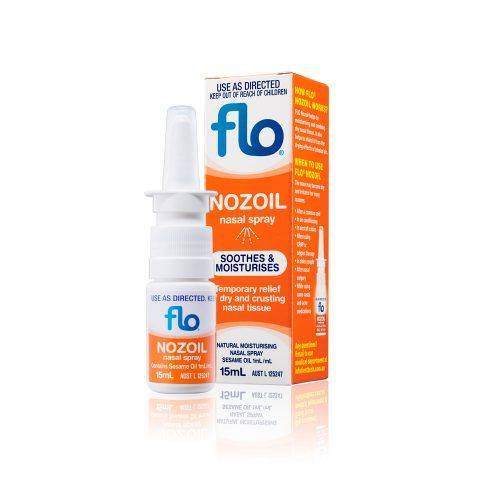
Nasal decongestant – using a nasal decongestant during allergy season is a very effective way to relieve nasal congestion and flush out mucus.
Essential Oils – Using an essential oil diffuser with specific ingredients can relieve your symptoms and help open the airways. The device can also improve circulation, and as a bonus feature, relieve stress.
Our Breathe Freely essential oil or Cough & Cold essential oil are used in aromatherapy and can be diffused through our Ultrasonic Vaporiser. The therapeutic effect of eucalyptus, lemon, tea tree and rosemary may help improve breathing.
If you would like to see our range of asthma and allergy care products, take a look at our respiratory care category, where we stock plenty of options for nebulisers for kids and adults, spacers, breathing essentials, oxygen concentrators, air dehumidifiers, inspiratory exercisers and more.
In conclusion, autumn can be particularly tough for people with asthma and allergies. However, by understanding your triggers and taking practical steps to reduce your exposure to them, you can control your symptoms and enjoy the beauty of the season. It is essential to work with your GP to identify your triggers and develop a personalised treatment plan. Being proactive can go a long way in preserving your wellness, even with allergies and asthma.
If you would like to know more about asthma and bushfires, read our blog: Asthma threat: Reduce and prevent asthma flare-ups during the bushfires.
About Bettercaremarket
Bettercaremarket is your leading supplier of healthcare essentials and your #1 destination for quality incontinence supplies, mobility equipment, independent living aids for seniors, disability aids, rehab and therapy products and medical supplies.
We help NDIS-participants, aged care facilities, home care package providers, occupational therapists and allied health providers find the best solutions to solve their need.