Incontinence is something millions of people deal with at some point in their lives, yet it's still often surrounded by silence and discomfort. This guide is designed to break that down, walking through what incontinence is, why it happens, how it's assessed, and the practical steps that can help you manage it with confidence.
At BetterCareMarket, we understand how much of a difference the right information and the right products can make to everyday comfort and confidence. That's why we offer a large range of incontinence products and supplies from quality suppliers, covering everything from light absorbency liners to overnight protection, skin care, and bed protection. Whether you're just starting to explore your options or looking to find a better fit for your needs, our range is here to support you every step of the way.
What Is Incontinence?
Incontinence simply means losing control over your bladder or bowel, leading to accidental leaks of urine or stool. It's far more common than most people realise, and it affects people of all ages and backgrounds, not just older adults but children and teenagers too.
Incontinence can affect bladder control, bowel control, or both, depending on the underlying cause and the individual. Some people experience only occasional small leaks, while others deal with more frequent or significant urine or faeces.
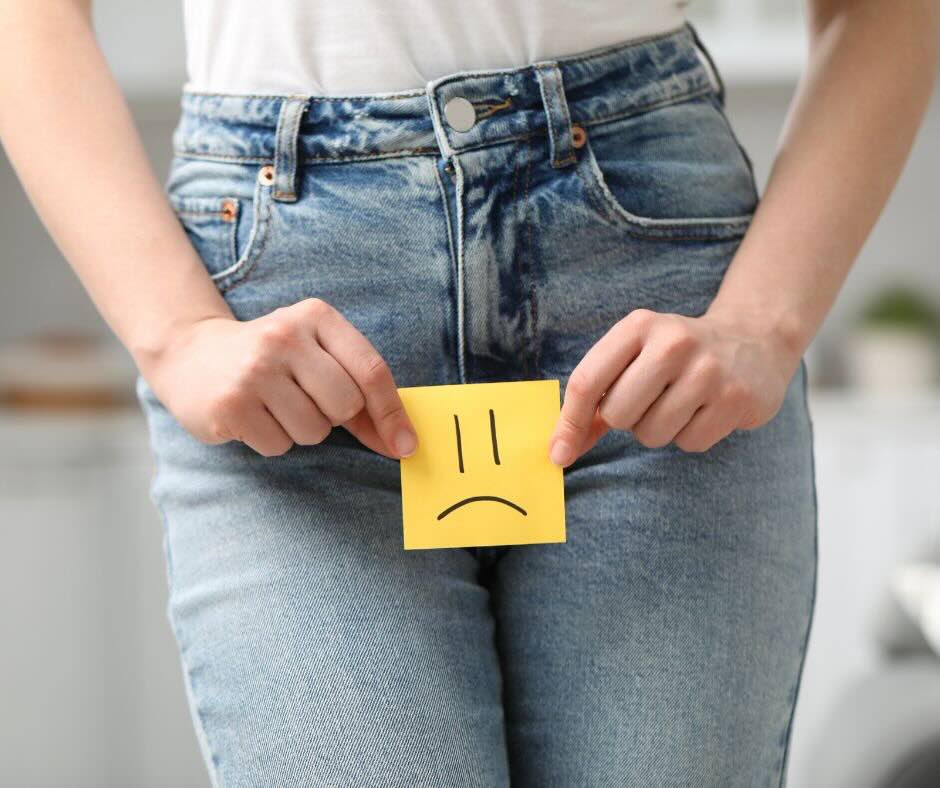
At a high level, incontinence happens when the muscles and nerves that normally help you hold in urine or stool aren't working the way they should. This can be due to weakened muscles, nerve signal problems, blockages, or everyday habits and health conditions that put extra strain on the system. The good news is that in most cases, incontinence is manageable and often treatable once the cause is understood.
Types of Incontinence
Not all incontinence is the same. Identifying the type is often the first step toward finding the right management approach.
Stress incontinence happens when physical pressure on the bladder, such as coughing, sneezing, laughing, or lifting something heavy, causes urine to leak. It's typically linked to weakened pelvic floor muscles.
Urge incontinence involves a sudden, intense need to urinate followed by an involuntary loss of urine, often before you can reach a bathroom. It's sometimes called an overactive bladder.
Mixed incontinence is a combination of stress and urge incontinence, where a person experiences both types of leakage.
Overflow incontinence occurs when the bladder doesn't empty fully, leading to frequent or constant dribbling because it's always nearly full.
Functional incontinence happens when a physical or cognitive limitation, rather than a problem with the bladder itself, prevents someone from reaching the toilet in time, such as limited mobility or memory difficulties.
Bowel incontinence refers to leakage of solid or liquid stool, faeces or gas, and can range from occasional minor leakage to a complete loss of bowel control.
Common Causes of Incontinence
Incontinence can stem from a wide range of causes and risk factors, and often more than one factor is involved at once.
- Pregnancy and childbirth can stretch and weaken the pelvic floor muscles and nerves that support bladder and bowel control, sometimes leading to leakage during or after pregnancy.
- After a Prostate Surgery, a man may also experience incontinence, either when coughing, lifting or sneezing. Some men also experience a sudden need to urinate. As this happens so quickly, the person usually doesn’t have enough time to make it to the toilet.
- Menopause and hormonal changes reduce oestrogen levels, which can thin the tissues lining the bladder and urethra and make leaks more likely.
- Age-related muscle changes naturally weaken the muscles involved in bladder and bowel control over time, increasing the likelihood of incontinence as people get older.
- Pelvic floor weakness, regardless of its cause, reduces the support needed to keep the bladder and bowel properly controlled.
- Constipation can put pressure on the bladder and stretch the rectum, contributing to both urinary and bowel incontinence.
- Medications, including diuretics, sedatives, and some blood pressure drugs, can affect bladder function or muscle control as a side effect.
- Neurological conditions such as multiple sclerosis, Parkinson's disease, or stroke can interfere with the nerve signals that control bladder and bowel function.
- Mobility limitations can make it physically difficult to reach the bathroom in time, even when bladder or bowel function itself is otherwise normal.
Signs and Symptoms
Recognising the signs of incontinence early can help patients know when it's time to seek support rather than simply living with the discomfort.
- Leaks when coughing, sneezing, or lifting are a classic sign of stress incontinence and shouldn't be dismissed as a normal part of aging.
- Sudden urges to urinate that feel difficult to control can signal an overactive bladder or urge incontinence.
- Frequent urination, especially needing to go far more often than usual, can point to an underlying bladder issue.
- Night-time accidents, or needing to urinate multiple times during the night, can disrupt sleep and indicate a bladder control problem.
- Difficulty reaching the toilet in time, even when the urge isn't especially sudden, may suggest functional or mobility-related incontinence.
- Skin irritation or discomfort from frequent leakage is a sign that ongoing incontinence is affecting day-to-day comfort and needs attention.
When any of these symptoms occur, we would recommend to start a conversation with your GP or specialist. It can feel very uncomfortable to bring incontinence up with your doctor, but rest assure they have heard it all before. The sooner this difficult conversation happens, the sooner they can come up with the best solution for you.
Choose the right Incontinence Products
A range of protective incontinence products can make day-to-day life with incontinence considerably more comfortable and manageable.

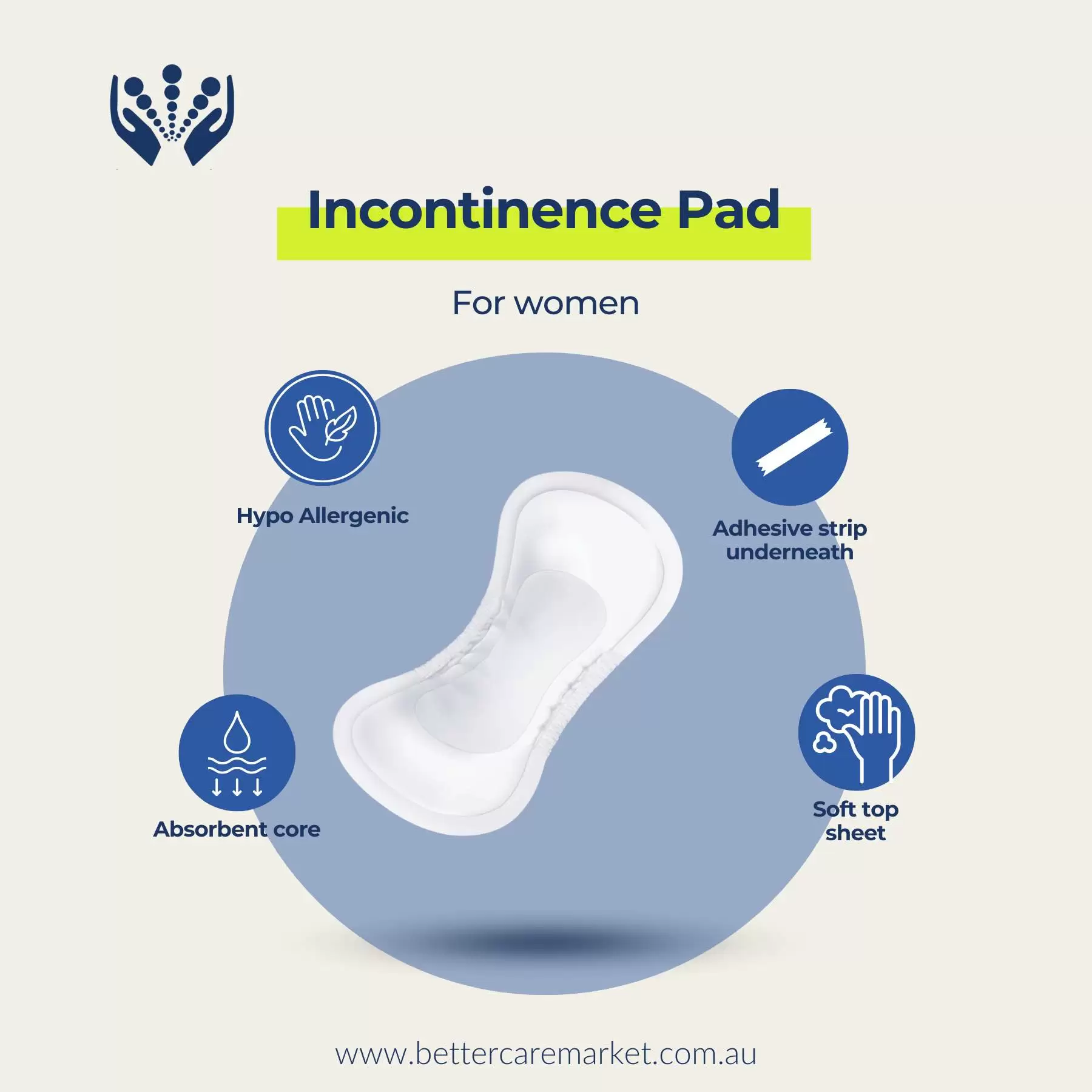
Incontinence pads for women and men are the first incontinence product most patients choose and are designed for use inside regular underwear. They are contoured to fit closer to the body with side leak guards for better protection at the legs.
Pull Up Pants come in various styles, from pull ups for light leaks to 10 drops for heavier incontinence. This incontinence product is great for active adults as they are designed to be worn discreetly under regular clothing.
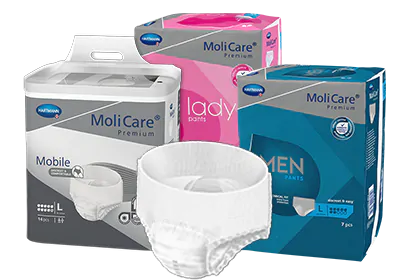
Adult diapers – also known as adult nappies – offer the highest absorbency from all the incontinence products. Choosing quality adult diapers can help reduce the need of middle-of-the-night changes. The Molicare Premium Elastic range offers maximum peace of mind, locking in leaks and odours for up to 8-10 hours.
Chair and Mattress protection, such as waterproof bed covers or absorbent chair pads, can protect furniture and bedding while offering peace of mind, particularly for night-time accidents.
Specific skin care products for incontinence, including barrier creams and gentle, pH-balanced cleansers, help prevent and soothe irritation caused by frequent contact with moisture.
Discreet travel or day-use options, such as lady pads male guards or reusable incontinence underwear, make it easier to manage incontinence while away from home.
All these incontinence products can be purchased online. BetterCareMarket offers cartons of incontinence supplies for greater convenience and anonymity.
How to Choose Absorbency Level
It helps to think about the type and frequency of leakage you experience. Light absorbency products suit occasional small leaks, such as those from coughing or sneezing, while moderate to heavy absorbency products are better suited to frequent or larger volume leaks.
Overnight or maximum absorbency products are designed for extended wear and heavier protection during sleep. It's often worth trying a few options to see what feels most comfortable and secure for your particular situation.
How Is Incontinence Managed?
Most people can improve their symptoms with a combination of practical strategies, even before considering medication or surgery.
- Pelvic floor exercises, often called Kegel exercises, strengthen the muscles that support the bladder and bowel, and can meaningfully reduce leakage over time with consistent practice.
- Bladder training involves gradually extending the time between bathroom visits to help the bladder hold more urine and reduce the urgency and frequency of trips to the toilet.
- Fluid habits, such as moderating caffeine and alcohol intake and spacing out fluid consumption throughout the day, can reduce both urgency and the volume of leaks.
- Toileting routines, like scheduled bathroom visits at regular intervals, can be especially helpful for those with functional or urge incontinence.
- Product use, including absorbent pads, protective underwear, and skin barrier creams, helps manage leaks confidently while other strategies take effect.
Daily Tips for Living with Incontinence
Living well with incontinence is often about small, practical adjustments that reduce stress and protect your routine.
- Plan bathroom access by knowing where toilets are located when you're out, whether at a shopping centre, workplace, or while travelling.
- Keep spare products at hand, such as a small bag with pads, wipes, and a change of underwear, so you're prepared wherever you go.
- Protect skin by using barrier creams and changing pads regularly, since prolonged contact with moisture can lead to irritation or breakdown.
- Use clothing that is easy to remove, such as garments with simple fastenings, to make bathroom visits quicker and less stressful.
- Track triggers and patterns by noting what foods, drinks, or activities seem to worsen symptoms, which can help you and your healthcare provider fine-tune your management plan.
- For at work and in public, consider scoping out accessible bathrooms in advance, keeping a small emergency kit in your bag or desk, and not hesitating to take short breaks when needed. Many people find that having a simple, low-key plan in place removes much of the anxiety around being caught off guard.
When to Seek Professional Advice
While incontinence is common and often manageable, certain signs mean it's time to speak with a healthcare provider rather than managing things alone.

- Sudden changes in symptoms, such as a rapid increase in frequency or severity of leaks, should be checked out rather than assumed to be a normal progression.
- Blood in urine is never something to ignore and asks for prompt medical attention.
- Pain, burning, or infection signs, such as a stinging sensation when urinating or cloudy, foul-smelling urine, may indicate a urinary tract infection or other condition that needs treatment.
- Severe impact on daily life, where incontinence is limiting your ability to work, socialise, sleep, or feel comfortable leaving the house, is a sign that it's worth exploring more active treatment options with a professional.
- Symptoms after surgery, childbirth, or illness deserve particular attention, since new or worsening incontinence following these events can sometimes indicate a complication that benefits from early assessment.
Conclusion
Incontinence is a common, manageable condition, not something you need to simply put up with in silence.
Understanding the type you're dealing with, knowing the common causes and warning signs, and putting practical daily strategies in place can make a real difference to comfort and confidence. With the right combination of lifestyle adjustments, professional support when needed, and the right products, most people are able to manage their symptoms well and get on with the things that matter to them.
At BetterCareMarket, we offer a large range of incontinence products and supplies from quality suppliers, including pads, protective underwear, bed and chair protection, and skin care essentials. Whether you're after light absorbency liners or maximum protection overnight options, our range is designed to help you find products that suit your needs and lifestyle with confidence and discretion.
This guide is for general informational purposes and is not a substitute for personalised medical advice. If you’re experiencing symptoms of incontinence, a GP, continence nurse, urologist or other medical professional can help identify the cause and recommend the right management plan for you.
Read more on Incontinence in our blogs: Choosing the Best Incontinence Products, Skin Care and Incontinence
About BetterCareMarket
BetterCareMarket is your leading supplier of healthcare essentials and your #1 destination for quality incontinence supplies, mobility equipment, independent living aids for seniors, disability aids, rehab and therapy products and medical supplies.
We help NDIS-participants, aged care facilities, Support at home package providers, occupational therapists and allied health providers find the best solutions to solve their need.