

Hand & Wrist

Hand & Wrist Arthritis Aids for Easier Daily Tasks

Reduce strain on sore hands and wrists with supportive braces, easy grip tools, jar openers, kitchen aids and hand exercise products.
Showing 12 of 60

Easi-Grip Garden Cultivator - garden tool for people with arthritis
NDIS
Coiler Shoe Laces - Homecraft, white - ideal no-tie shoelaces
NDIS
Universal kettle tipper - Homecraft
$129.95
NDIS New Arrivals
Premium Wrist Sleeve - OAPL | 
OAPL Premium Wrist Australia| Shop Premium Wrist Support - OAPL
$24.95
NDIS
Easi-Grip Graden Cultivator - Long,  ergonomic garden tool with long handle
NDIS Top Seller
PainGone Plus Pen, pain relief where it hurts
$99.95
NDIS New Arrivals
Thermic Wrist Support - OAPL
$19.95
Featured NDIS New Arrivals
Homecraft Coiler Shoe laces, in black: no need to tye your laces
NDIS
Easi-Grip Garden Fork - Long, lightweight ergonomic garden tool
NDIS
Easi-Grip Garden Hoe - Long, ergonomic garden tool
NDIS
Easi-Grip Garden Spade - Long, ergonomic garden tool

Showing 12 of 60

Loading...

Hand and Wrist Arthritis Aids and Daily Living Tools

If you have been diagnosed with rheumatoid arthritis or osteoarthritis, the impact on your hands and wrists is one of the most debilitating. You may experience inflammation and pain in your hands and wrists, resulting in reduced range of movement and grip strength. Even simple activities such as opening a jar, turning a tap or preparing a meal can place added pressure on sensitive joints.

At BetterCareMarket, we can help you find the arthritis aids for your hand, wrist and thumb to reduce pain and discomfort.

Our Hand & Wrist Arthritis Aids include wrist and thumb supports, compression gloves, easy grip tools, automatic openers, kitchen aids, adapted cutlery and hand exercise products. They are designed for people living with osteoarthritis, rheumatoid arthritis, reduced grip strength or limited hand movement.


How to choose the right hand or wrist arthritis aid

  • If you need more support around a painful or unstable wrist, look for a wrist brace, splint or supportive wrist strap.
  • If pain is concentrated around the base of your thumb, consider a thumb brace designed to support the thumb joint while leaving your fingers available for daily activities.
  • If you experience general hand stiffness or swelling, soft compression gloves or flexible wrist supports may feel less restrictive than a rigid brace.
  • If opening containers is difficult, choose an automatic jar, bottle or can opener that reduces twisting and gripping.
  • If lifting and pouring from a kettle causes discomfort, a kettle tipper can hold the kettle securely while you pour.
  • If cutting, gardening or food preparation places pressure on your fingers, look for angled handles, spring assisted scissors, add-on grips or adapted workstations.
  • If you want to work on hand movement or grip strength, speak with your physiotherapist or occupational therapist about a suitable hand exerciser and exercise routine.


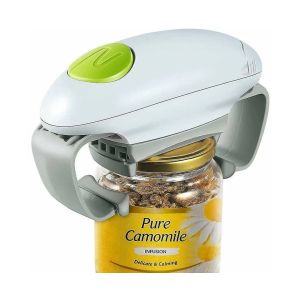
One Touch jar, bottle and can opener

Our catalogue features a variety of arthritis tools designed to manage hand and wrist arthritis pain effectively when performing day to day tasks. To assist with tasks within your home, Better Care Market offers a range of kitchen aids, such as one touch jar opener, simplifying the process of opening jars by providing an easy, automated solution that reduces the need for a strong grip, minimising strain on arthritic joints.

Kitchen food preparation and dining aids

Food preparation boards, food workstations, kettle tippers, bendable cutlery and utensil straps can make preparing meals and eating more manageable. These products overlap naturally with Daily Living Aids and Independent Living Aids because they reduce the amount of gripping, lifting and fine hand control required.

Easy grip scissors and household tools

Spring assisted scissors, key turners, coiled shoelaces and adapted handles can reduce small, repetitive finger movements. Larger or angled handles also help spread pressure across more of your hand instead of concentrating it through individual finger joints.

Easy grip gardening tools

Easi-Grip garden tools use upright or angled handles to keep your wrist in a more comfortable position. Long handled options can also reduce bending and reaching. Add-on handles can be fitted to selected existing tools to create a broader grip.

Hand exercise and pain management products

Hand exercise balls and resistance exercisers are designed for controlled hand and finger exercises. TENS units and other pain management devices are also included within the range. Exercise and pain management products should be selected according to your health professional’s advice, particularly during an arthritis flare or when your symptoms have recently changed.

Arthritis in fingers or wrists

We also offer wrist supports and thumb braces, which are designed to provide support to the joints in the hands, wrists and fingers. These braces reduce pain and swelling and come in various designs. They are particularly useful during activities that require pinching or gripping, such as writing or gripping. The wrist and thumb braces can also protect against further joint damage by limiting movements that may stress the joint.

Our wrist braces and wrist supports are designed to treat wrist injuries and carpal tunnel. These easy-to-wear wrist splints are suitable for short or long term use, to improve comfort and especially restrict movement. Check our wrist splint from Push Med that offers optimal compression and support for painful swollen wrists.

Thumb Braces

The unique Push Thumb Braces, manufactured in The Netherlands, are designed to support the thumb joint and stabilise the affected joint to limit the range of motion. CMC, Arthritis, ‘Skier’s thumb’ and ‘gamekeeper’s thumb’ can benefit from the Push Ortho Thumb Brace.

Compression gloves and thermal supports

Soft compression gloves and thermal wrist supports provide light, close fitting support without fully restricting movement. They are commonly chosen by people managing hand stiffness, swelling or discomfort during everyday tasks.


Who can benefit from hand and wrist arthritis aids?

These aids may be useful for:

People living with osteoarthritis or rheumatoid arthritis

People experiencing reduced grip strength, hand stiffness or swollen joints

Seniors who find household tools difficult to hold or control

People recovering from a hand or wrist injury

People living with disability or reduced fine motor control

Carers looking for practical ways to support safer daily routines

NDIS participants working towards greater independence with cooking, dressing, gardening or personal care

You do not need to replace every household item. Start with the tasks that cause the most discomfort or require the most assistance.


Hand & wrist braces and the NDIS

Some hand and wrist arthritis aids may be considered low-cost assistive technology when they are directly related to your disability, support your plan goals and meet current NDIS funding criteria.

Eligible items could include adapted kitchen tools, easy grip utensils, dressing aids or equipment that helps you complete everyday tasks more independently. Funding is not automatic and depends on your individual plan and circumstances.

BetterCareMarket is a Registered NDIS Provider. Speak with your occupational therapist, support coordinator or plan manager if you are unsure whether a product can be purchased using your NDIS funding.


TAKEAWAY

Protect your joints, reduce difficult hand movements and choose the right support for the tasks that matter most to you.

Frequently Asked Questions

Here are some frequently asked questions about BetterCareMarket's Hand & Wrist:

Start with tools that remove twisting, pinching or tight gripping. Automatic jar openers, bottle openers, kettle tippers, tap turners, built-up handles and easy grip scissors are useful options. The best choice depends on which daily task is difficult for you.
A soft wrist support usually provides light compression and allows more movement. A brace offers greater stability. A splint generally includes a firmer section that restricts wrist movement. Choose the support level recommended for your symptoms and activity.
A wrist brace is more suitable when your wrist needs targeted stability or movement restriction. Compression gloves provide lighter support across the hands and fingers and allow greater movement. Some people use different products for different activities.
Check which thumb joint needs support, how much movement you require and whether the brace is designed for your left or right hand. Measure according to the product sizing guide. An occupational therapist or hand therapist can help when you need firm or long-term support.
This depends on the brace, your condition and the advice provided by your health professional. Wearing a brace for too long or using the wrong support can cause discomfort or unnecessary stiffness. Follow the product instructions and seek advice if you develop numbness, tingling, increased swelling or skin irritation.
A thumb brace for arthritis is designed to support the base of the thumb while reducing painful movement. Many people with thumb CMC osteoarthritis experience pain when gripping, opening jars, turning keys or carrying objects. A thumb brace can help stabilise the joint while allowing the fingers to continue working normally. This may help reduce pain during everyday activities and promote greater hand function. The best thumb brace should feel supportive without making the hand difficult to use.
A thumb brace for CMC osteoarthritis helps support the carpometacarpal joint at the base of the thumb. This joint is commonly affected by wear and tear and can become painful during gripping and pinching activities. By limiting painful thumb movement while maintaining hand function, a CMC thumb brace may help improve comfort during daily tasks. Many people use a thumb splint for activities such as cooking, gardening, writing, driving and household chores.
A thumb arthritis brace is designed to support long-term joint stability and reduce pain from osteoarthritis or overuse. A thumb brace for a sprain is designed to protect injured ligaments and reduce movement while healing occurs. Thumb sprain braces are commonly used for Skier’s Thumb, Gamekeeper’s Thumb, ligament injuries and thumb instability. The level of support is often higher because the goal is to protect damaged structures while recovery takes place.
A wrist brace for carpal tunnel syndrome is designed to keep the wrist in a neutral position, helping reduce pressure on the median nerve. Many people notice symptoms such as numbness, tingling, weakness or pain in the hand and fingers. Wearing a carpal tunnel wrist brace may help improve comfort during daily activities and overnight. It is commonly used alongside advice from a doctor, physiotherapist or hand therapist as part of a broader treatment plan.
A wrist brace for tendonitis provides gentle support and compression while allowing controlled movement of the wrist. This can help reduce strain on irritated tendons during work, sport and everyday activities. Wrist tendonitis is often linked to repetitive movements, lifting, typing, gardening or manual work. The right wrist support should provide comfort and stability without restricting movement more than necessary. Choosing the correct level of support depends on the severity of symptoms and daily activity demands.
Yes, wrist supports for sports injuries are commonly used to help protect the wrist during recovery and return to activity. They may assist with wrist sprains, ligament injuries, tendon strain and overuse injuries from sports such as tennis, golf, cricket, basketball, netball and gym training. A sports wrist brace can provide support, compression and confidence while helping reduce discomfort during movement. The right brace depends on the type of injury and the level of support required.
De Quervain's syndrome is a painful condition affecting the tendons on the thumb side of the wrist. Symptoms often include pain when gripping, lifting, twisting or moving the thumb. A wrist brace or thumb splint may help by limiting aggravating movements and allowing the tendons to rest. Many people develop De Quervain's syndrome through repetitive hand use, childcare activities, gardening, office work or sporting activities. Early support may help reduce irritation and improve comfort.
Options include one touch electric openers, under-shelf openers, grip pads, multi openers and manual jar turners. Electric models require the least hand strength. Grip style openers are more portable but still require some pressure and control.
Food workstations, preparation boards, kettle tippers, automatic openers and adapted scissors reduce the need to hold, twist or stabilise items with painful hands. Non-slip surfaces and clamps can also help stop food, bowls or containers from moving.
They can be helpful when standard garden tools force your wrist into an uncomfortable angle or require a tight grip. Angled handles keep the wrist in a more neutral position, while long handles reduce reaching. Choose lightweight tools that you can control safely.
Exercise should not cause sharp pain or increase inflammation. During a flare, your health professional may recommend reducing resistance or temporarily changing your routine. Ask a physiotherapist, occupational therapist or hand therapist which exercises are appropriate.
Some products may be eligible as low-cost assistive technology when they relate to your disability, support your goals and meet NDIS funding rules. Check your available budget and speak with your plan manager, support coordinator or occupational therapist before ordering if you are uncertain.